
Cosmetic Tube – Which “Protection Layer” for Your Formula?
Welcome to Shinywell‘s cosmetic tube packaging section. Tubes are the most frequently touched packaging form between skincare products and consumers – every squeeze delivers a brand experience. But the core value of a tube goes beyond appearance: it is first and foremost a “protective layer.” Different formula textures require different levels of barrier protection – sensitivity to oxygen, light, moisture, and aromas determines which tube you should choose. As a professional factory, we offer three tube series: PE Squeeze Tubes (basic barrier, flexible, cost-effective), ABL Aluminum Barrier Laminate Tubes (maximum barrier, metallic finish, for sensitive formulas), and PBL Plastic Barrier Laminate Tubes (high barrier, all-plastic recyclable, premium printing). Material, tube shape, printing, and closure type are all customizable. Whether for wholesale or full customization, we deliver exactly to your requirements. The three tubes shown below represent the three core directions of our tube range – your formula, your design, your tube – we make it happen.
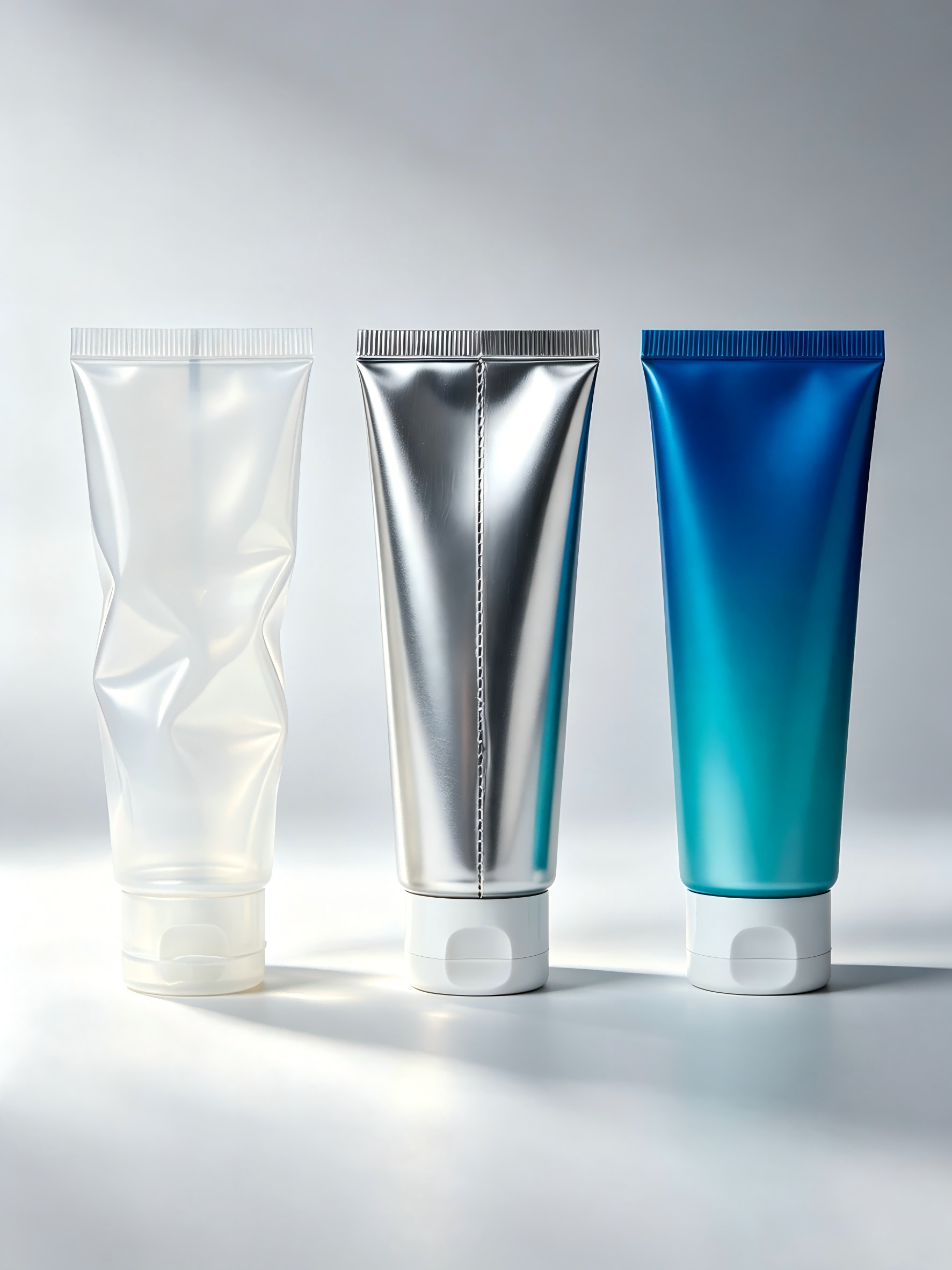
Three Materials, Three Barriers – What Level of “Protection” Does Your Formula Need?
The first logic of tube selection is not “which looks better” – it‘s “what level of protection does your formula need.” Different active ingredients have completely different sensitivities to oxygen, light, moisture, and aromas – this is the fundamental basis for choosing tube materials. PE squeeze tubes offer basic barrier protection at a cost-friendly level – suitable for products with no special preservation requirements. ABL (Aluminum Barrier Laminate) tubes have a built-in aluminum foil barrier layer that provides near-total protection – a “safe” for highly sensitive formulas. PBL (Plastic Barrier Laminate) tubes use EVOH and other high-barrier plastics instead of aluminum, striking a balance between good barrier performance and recyclability. No absolute right or wrong among the three materials – matching your formula is what makes it a professional choice.
Basic · Flexible · Cost-Effective
· Material structure:Single or multi-layer PE co-extrusion – no independent barrier layer
· Barrier mechanism:Relies on PE‘s basic inherent barrier properties
· Visual:Flexible and squeezable, smooth surface, no weld seam, bounces back after squeezing
· Best formulas:Facial cleansers, body washes, body lotions, hand creams – products not sensitive to oxygen/light
· Core value:Mature structure, cost-effective, stable process – highest value for money
· MOQ:10,000 units
Max Barrier · Metal · For Sensitive Formulas
· Material structure:Multi-layer laminate with aluminum foil barrier layer (12–20µm)
· Barrier mechanism:Aluminum provides near-total protection against oxygen, light, moisture, and aromas
· Visual:Metallic finish (silver or white base), visible longitudinal weld seam on the tube body
· Memory effect:Stays flattened after squeezing – does not bounce back
· Best formulas:Sunscreens, ointments, vitamin C/retinol products, toothpaste
· Core value:Maximum protection – extends shelf life, preserves active ingredient potency
· MOQ:30,000 units
· Material structure:Multi-layer all-plastic laminate with EVOH (Ethylene Vinyl Alcohol) barrier layer
· Barrier mechanism:EVOH provides excellent oxygen barrier (though less effective against light/moisture than aluminum)
· Visual:All-plastic, no weld seam, excellent print fidelity – high-definition graphics and gradients
· Memory effect:Bounces back after squeezing
· Eco advantage:Fully plastic structure – easier to recycle, aligned with circular economy trends
· Best formulas:Moisturizers, hand creams, BB creams, natural/organic skincare brands
· Core value:Balances good barrier performance with recyclability – and the best print quality among the three
· MOQ:15,000 units
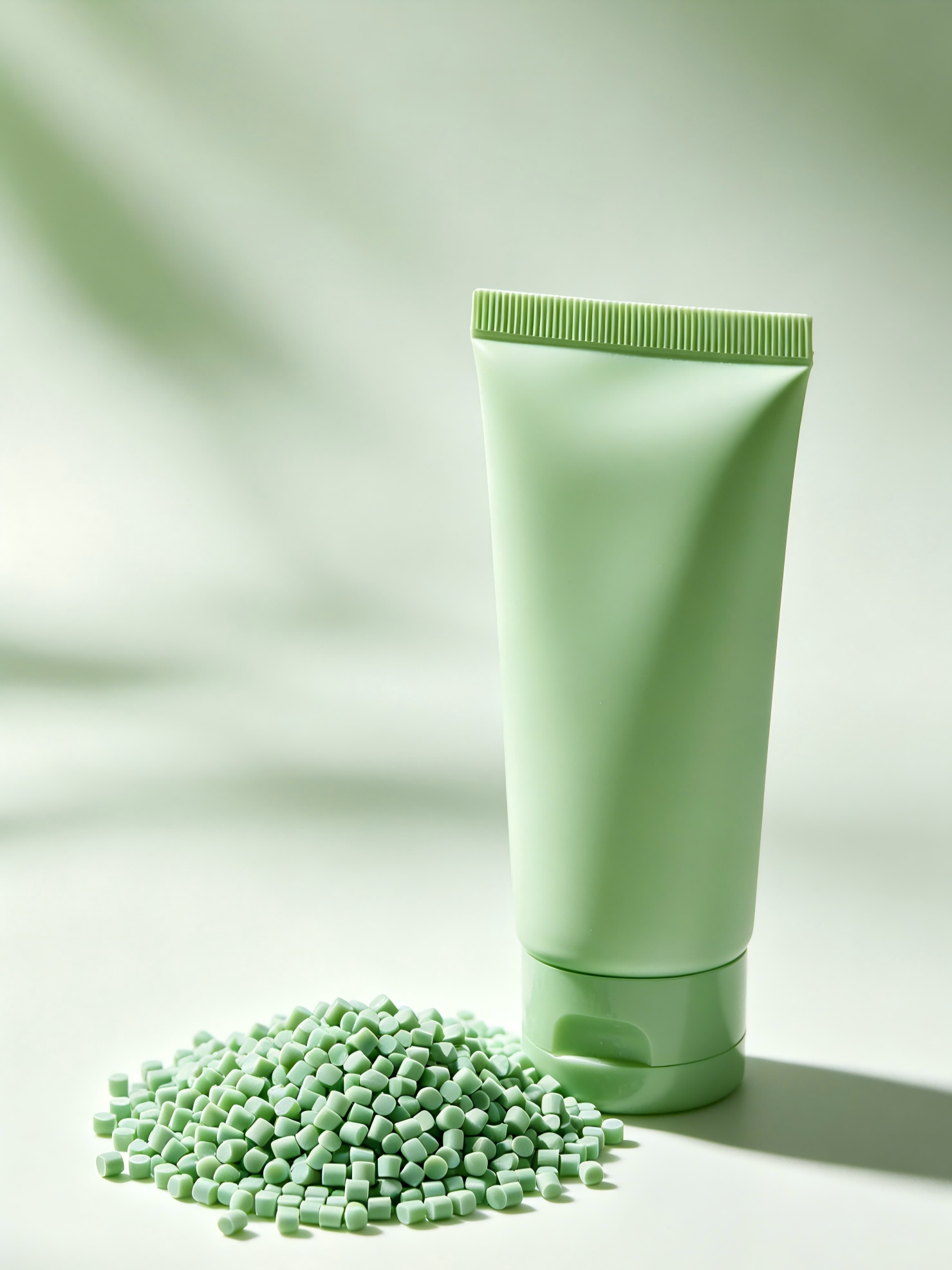
Sustainable Tube – Green Starts from the Tube
When it comes to sustainable transformation in cosmetic packaging, tubes are unavoidable. Millions of tubes are produced, used, and discarded every day. How to make this “small thing” greener is where we focus. Currently, we pursue tube sustainability through two key dimensions: material sourcing (replacing virgin plastic with PCR post-consumer recycled plastic or sugarcane-based bio-based plastic) and structural design (using PBL all-plastic laminate to eliminate aluminum foil for easier recyclability).
PCR tubes, bio-based tubes, and PBL recyclable tubes each serve different sustainability goals and cost structures. But no matter which path you choose, the core remains the same: reduce fossil resource dependence, lower carbon footprint, and ensure tubes can be effectively recycled after use. If your brand is planning a packaging upgrade, we can work together to find the right entry point – from material substitution to full structural redesign, step by step or all at once.