The Perfume Bottle Renaissance: 2026 Fragrance Packaging Trends
Fragrance has never relied so heavily on visual and tactile storytelling. In 2026, the perfume bottle is no longer just “a container for liquid” – it is the brand’s first silent salesperson, an expression of emotion, and the very first conversation between a consumer and a scent. From ASMR‑grade opening and closing experiences to digital brand gateways, from art‑collector limited editions to a revolution in sensorial materials, perfume packaging is undergoing a true renaissance. The three trends below are redefining how fragrance brands connect with their customers.
Trend 1: Sensory First – Let Packaging “Speak, Touch, Resonate”
In an era where social media and physical store experiences coexist, consumers expect far more from packaging than just “good looks.” They want to be touched, delighted, and remembered.
-
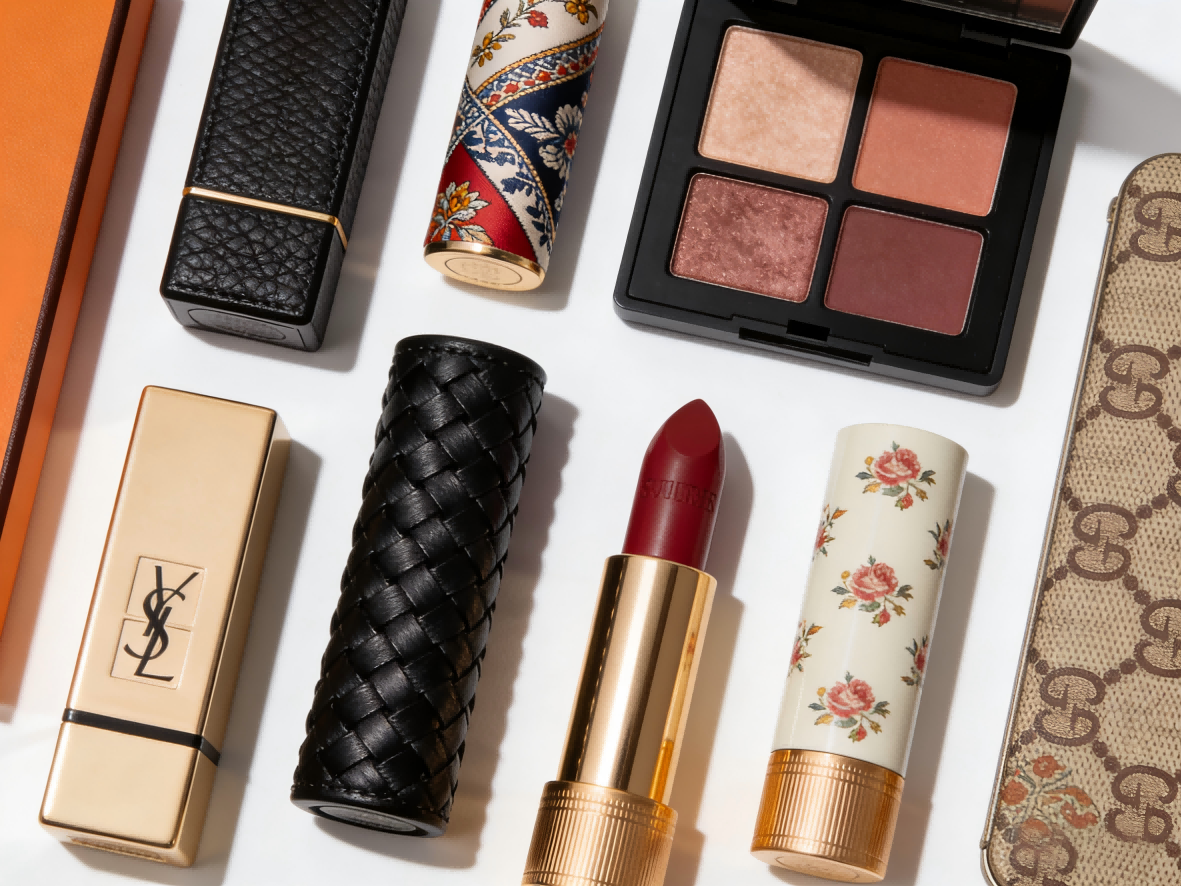
Tactile revolution: Soft‑touch lacquers, velvet coatings, micro‑frosted glass, skin‑like acrylics – each material sends a different emotional signal through the fingertips. Studies show that packaging with a premium tactile feel can increase purchase intent by nearly 30%.
-
Sound design: The crisp “click” of a magnetic cap, the perfectly dampened rotation of a screw cap, the smooth feedback of a pump – these sounds, together with haptic feedback, form the product’s “acoustic identity.” On platforms like TikTok, “unboxing ASMR” videos easily garner millions of views, making opening and closing sounds a free medium for brand communication.
-
Visual weight: Through thickened bottle bases, metal decorative elements, and two‑tone electroplating, even a small capacity can convey a substantial sense of value. The moment a consumer picks up the bottle, they can sense its fundamental difference from cheap packaging.
Trend 2: Limited Edition & Artistry – Turning the Perfume Bottle into a Collectible
The fragrance gift market continues to explode in 2026, especially limited editions, artist collaborations, and holiday‑themed packaging. Brands no longer need standardised bottles; they need “small sculptures” that tell unique stories.
-
Unconventional shapes: Irregular geometric cuts, animal forms, abstract silhouettes – these designs break the monotony of traditional cylindrical or square bottles, turning the perfume bottle itself into an objet d’art for the vanity table. In recent years, niche fragrance brands have successfully built strong visual identities through unconventional shapes, even sparking collecting frenzies.
-
Decorative techniques: Silk‑screen printing, hot stamping, spot UV, decals, 3D embossing, even embedded dried flowers or glitter – each technique adds uniqueness and gift value to the bottle. Around holidays like Valentine’s Day and Christmas, intricately decorated limited packaging often commands a premium of more than 30%.
-
Small‑batch customisation: Brands are no longer required to order tens of thousands of units. Today, high‑quality small‑batch production with a minimum order quantity of 3,000–5,000 pieces is a reality, allowing small and medium‑sized fragrance brands to own distinctive packaging comparable to big names, and to respond quickly to market trends.
Trend 4: The Digital Gateway – When the Bottle Connects to the Brand
When every bottle of perfume can become a digital touchpoint, the value of packaging is redefined.
-
NFC / QR code integration: By scanning the bottle bottom or hang tag, consumers can authenticate the product, read the perfumer’s story, reorder refills, or unlock an AR fragrance experience. This is not only an anti‑counterfeiting measure but also a gateway to building long‑term brand‑consumer relationships.
-
Smart traceability: Brands can track product flow in real time, prevent grey‑market diversion, and collect consumer interaction data to inform subsequent marketing efforts.
-
Personalised engraving: Laser‑engraved text or patterns turn every bottle into a one‑of‑a‑kind gift – a customisation experience that is fast becoming a standard service in premium fragrances.
Conclusion
In 2026, fragrance packaging is evolving from a “container” into a “carrier of experience.” Whether your brand is niche or mainstream, these three trends deserve serious consideration.
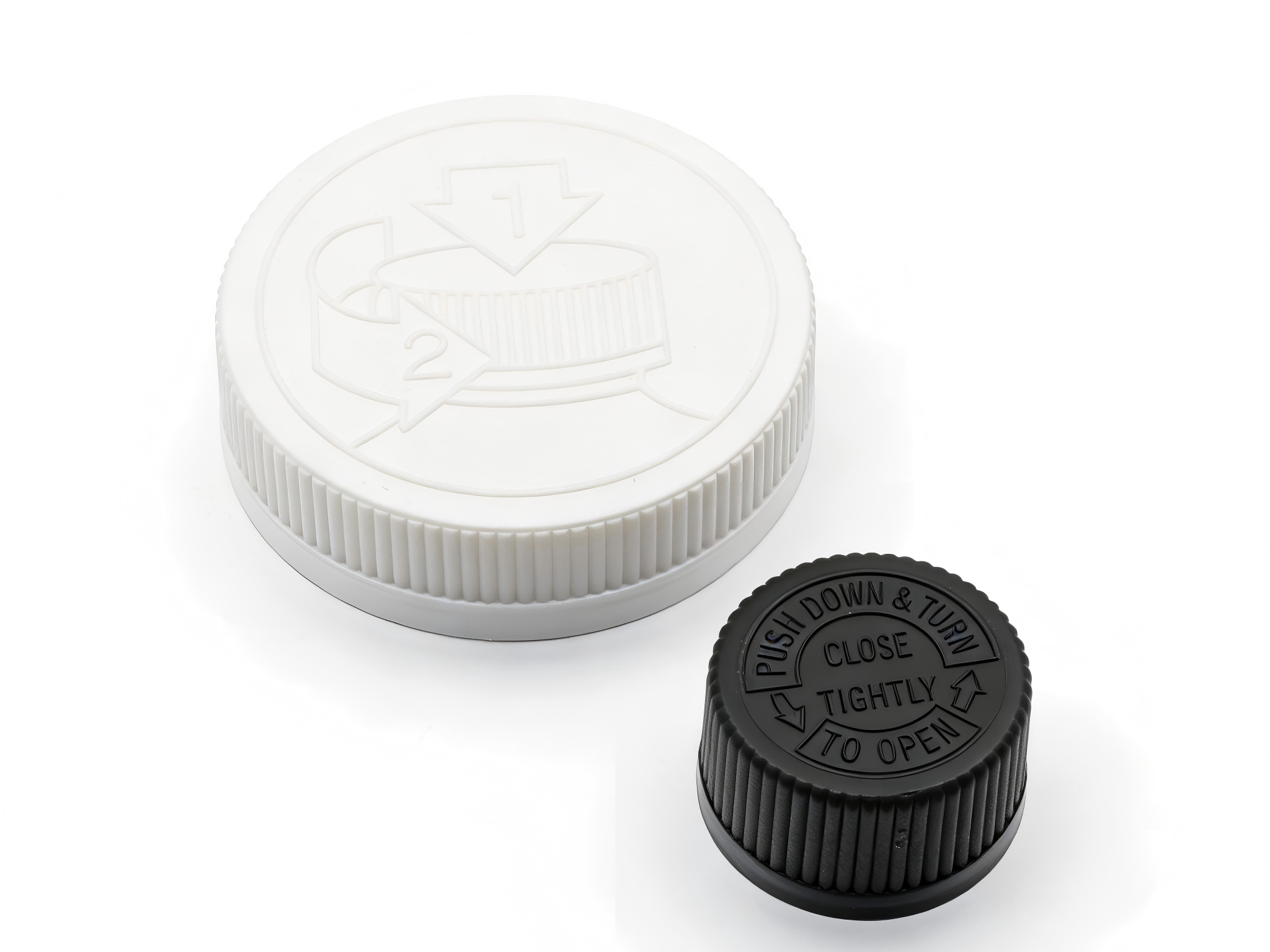
Child‑Resistant Cap · Small Cap, Big Safety
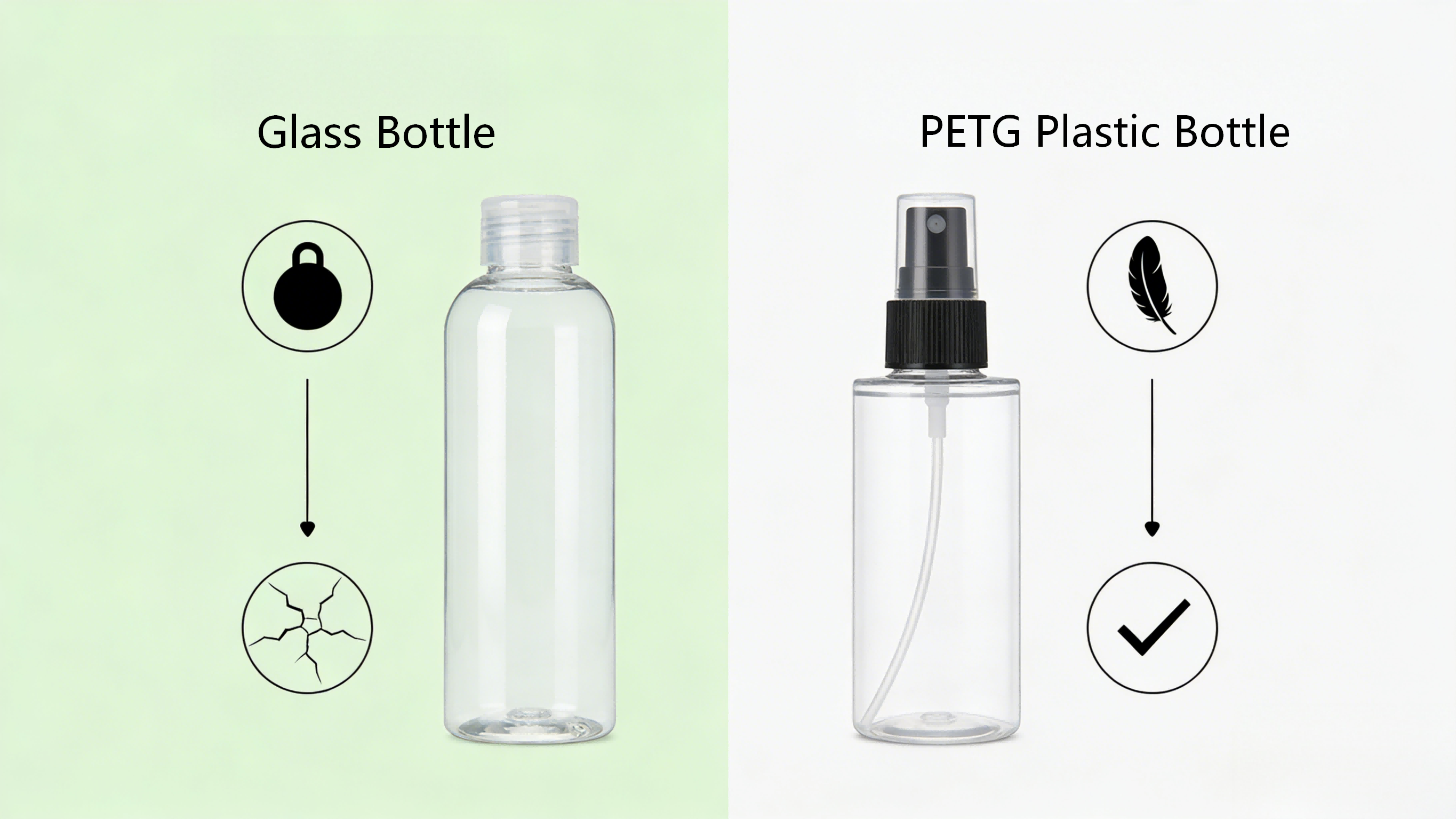
How PETG/Acrylic Are Redefining Cosmetic Packaging Standards
Related Article