How PETG/Acrylic Are Redefining Cosmetic Packaging Standards
Spring is the golden window for beauty brands to launch new products. As consumers step outside and embark on journeys, their expectations for products have quietly shifted — they want premium quality with portability; they desire the clarity of glass with the durability of something unbreakable.
Glass was once synonymous with luxury and texture. But in today's era of cross-border e-commerce, the weight of glass is becoming a burden for brands. PETG and high-end acrylic are emerging as the answer to this challenge.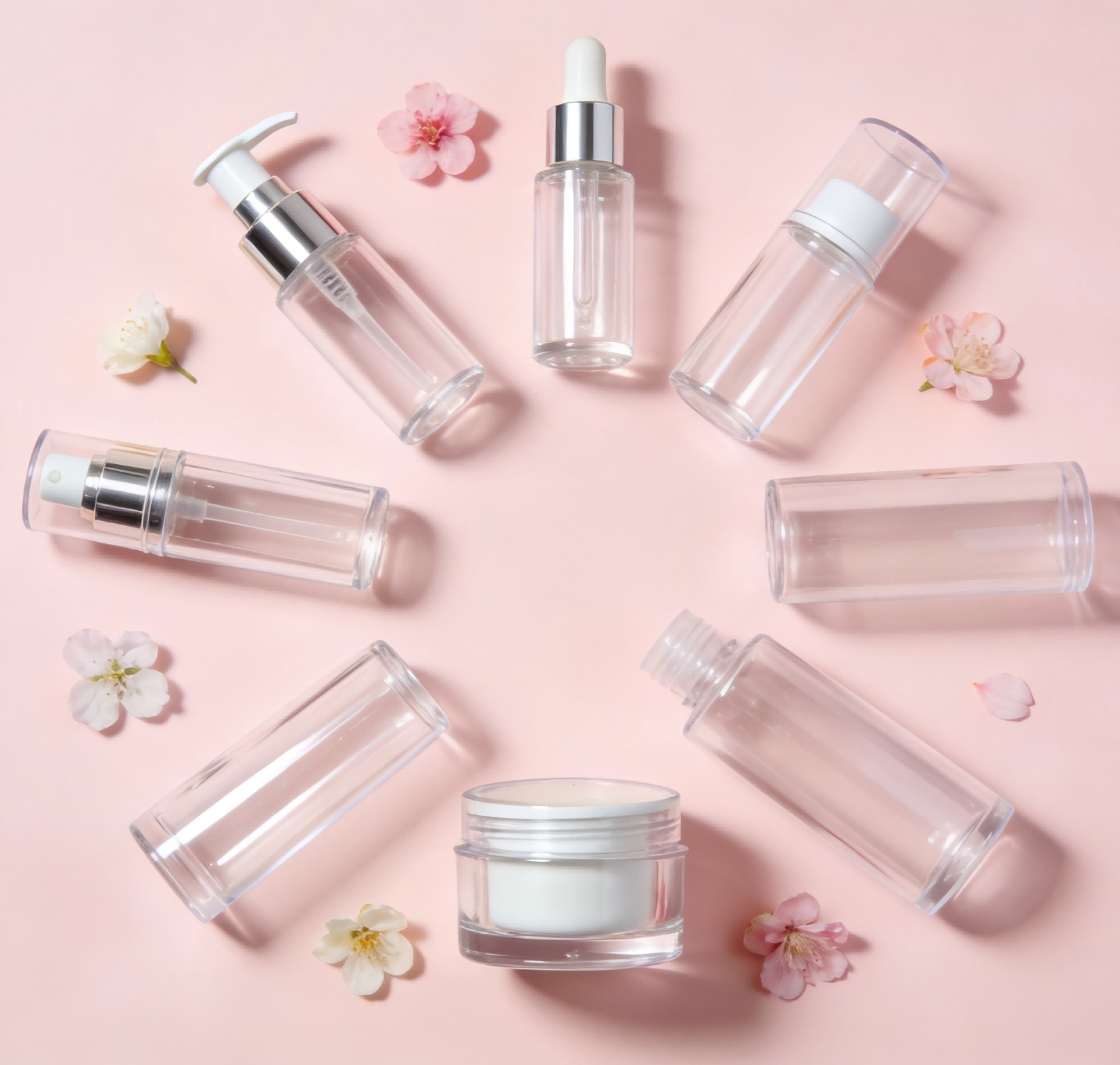
01 Why Is "De-Glassing" Becoming a Mainstream Choice?
The practical pressure of logistics costs is often the first pain point brands notice. A 30ml glass bottle weighs approximately 80-100g, while a PETG bottle of the same capacity weighs only 30-40g. This means that in a standard shipping container, PETG packaging can increase loading capacity by about 40% compared to glass, reducing international logistics costs per unit by 25%-35%. For cross-border DTC brands, this translates directly into visible profit margins.
The risk of damage in e-commerce channels is equally concerning. The breakage rate for glass bottles in DTC channels ranges from 2% to 5%. Every breakage means return costs, replacement costs, and most critically — declining store ratings. PETG's impact resistance is more than ten times that of glass, bringing breakage rates close to zero, fundamentally protecting a brand's reputation and profitability.
Changes in consumer behavior represent an even deeper driver. Spring is peak season for camping and short trips. Consumers want products that are lightweight, durable, and won't add bulk to their luggage — all while maintaining a premium feel. PETG perfectly aligns with this demand: light enough yet strong enough, transparent yet warm to the touch.
02 How to Choose Between PETG and Acrylic?
Each material has its distinct advantages. PETG offers light transmittance of nearly 90%, comparable to glass, while delivering exceptional impact resistance that remains intact even at low temperatures. Its warm, skin-friendly texture makes it particularly suitable for serums, body lotions, and travel-sized products that require frequent movement. Acrylic, on the other hand, achieves 92%-93% light transmittance, making it the closest plastic to glass in terms of clarity. Its higher surface hardness provides better scratch resistance, and when crafted with thick walls, it delivers a weighted feel comparable to glass — ideal for cream jars and products meant to evoke a sense of luxury. The choice between the two depends on whether a brand prioritizes ultimate clarity, weighted texture, or impact resistance.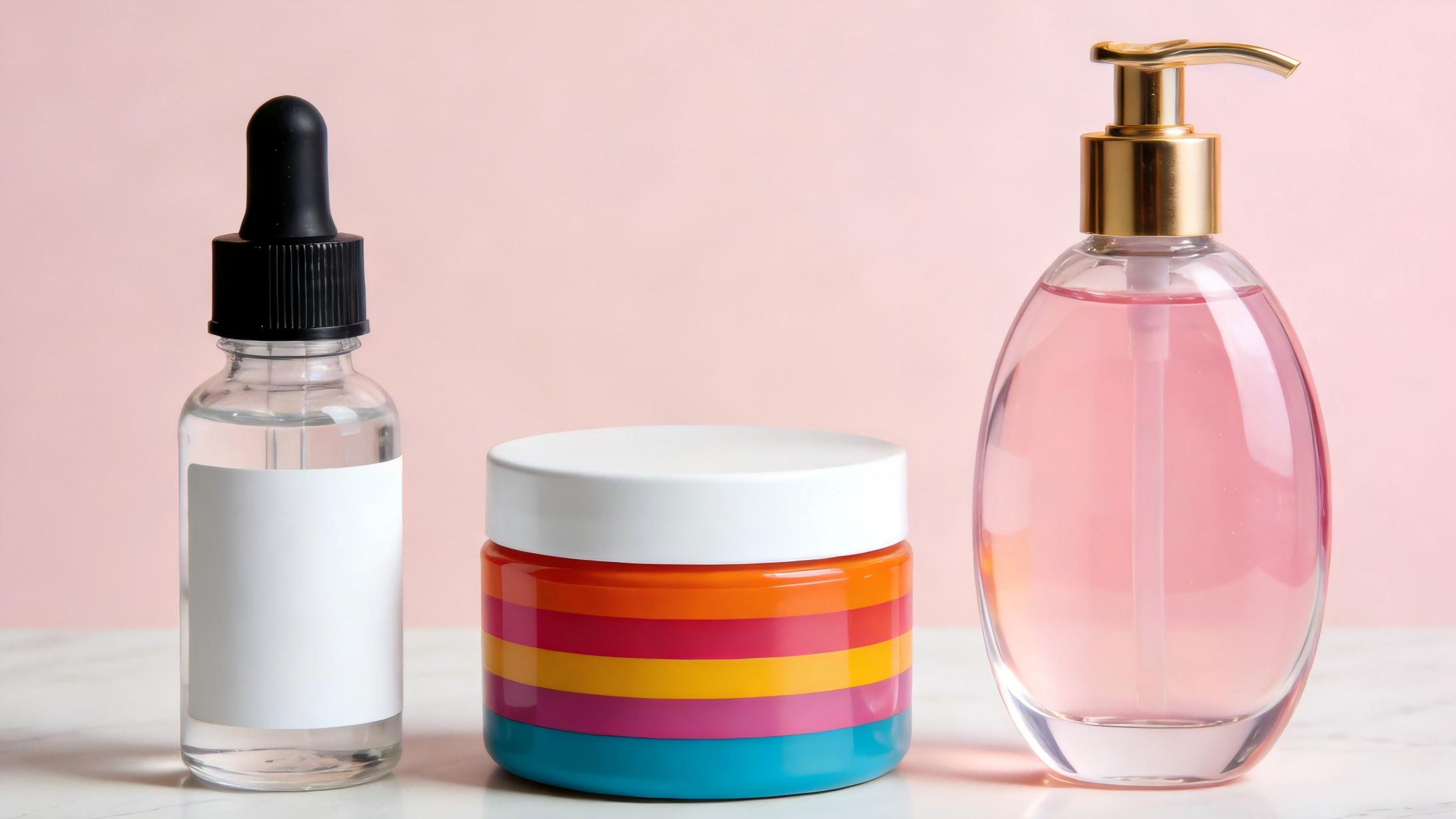
03 Real Brand Case Studies
The Ordinary uses PETG packaging across its entire product line, maintaining the lab-inspired "professional" aesthetic. This strategic choice has delivered tangible business returns: packaging costs reduced by approximately 40%, international shipping breakage rates dropping from 3% to below 0.2%, and consumers can confidently toss products into travel bags or gym kits without worrying about leaks.
Drunk Elephant demonstrates a different approach with its iconic thick-walled colored acrylic jars. The thick acrylic delivers a weighted feel comparable to glass, while the vibrant colors create strong visual identity that stands out on shelves. Perhaps most notably, consumers are willing to keep and repurpose these jars, giving the brand an additional layer of customer engagement.
Glow Recipe opted for transparent PETG, allowing the pink and green hues of their formulas to serve as the "packaging" itself. On visual-driven social platforms like Instagram, this design creates striking visual impact, making the brand a standout example of "accessible luxury" at Sephora.
04 What Can PETG and Acrylic Bring to Your Brand?
Switching to PETG or acrylic in place of glass delivers multiple dimensions of tangible benefits. Packaging material costs can be reduced by 20%-35%, international logistics costs by 25%-40%, and breakage rates from 2%-5% down to 0.1%-0.3%. On the operational side, mold development cycles are 30%-40% shorter than glass, with more flexible minimum order quantities that make it easier for small and mid-sized brands to test new products. From a branding perspective, the high clarity of these materials translates beautifully in social media imagery, while the reduced carbon footprint from lighter shipping aligns with ESG trends — becoming an organic part of the brand story.
Conclusion
The rise of PETG and high-end acrylic is not a compromise on glass — it is an upgrade built for the future. It allows brands to maintain a premium aesthetic while reaching global consumers with lower costs, faster speed, and greater peace of mind.
This spring, when your clients are hesitating over new product packaging choices, PETG and acrylic solutions not only solve practical challenges like logistics, breakage, and portability — they help brands build a more competitive product strategy in the DTC era.
The Perfume Bottle Renaissance: 2026 Fragrance Packaging Trends
The Poetry of Color and Light – Visual Healing for Spring
Related Article