The green revolution in beauty packaging: how eco-materials are reshaping the industry's future
The Diverse Landscape of Eco-Materials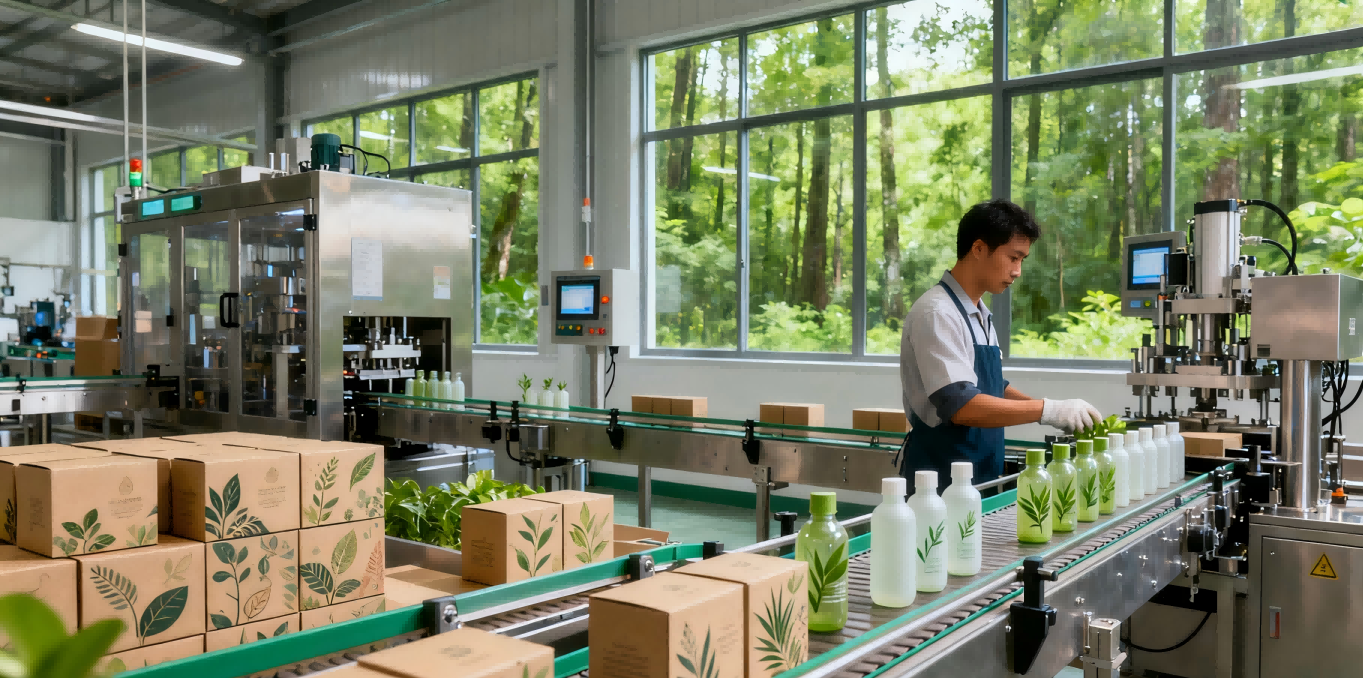
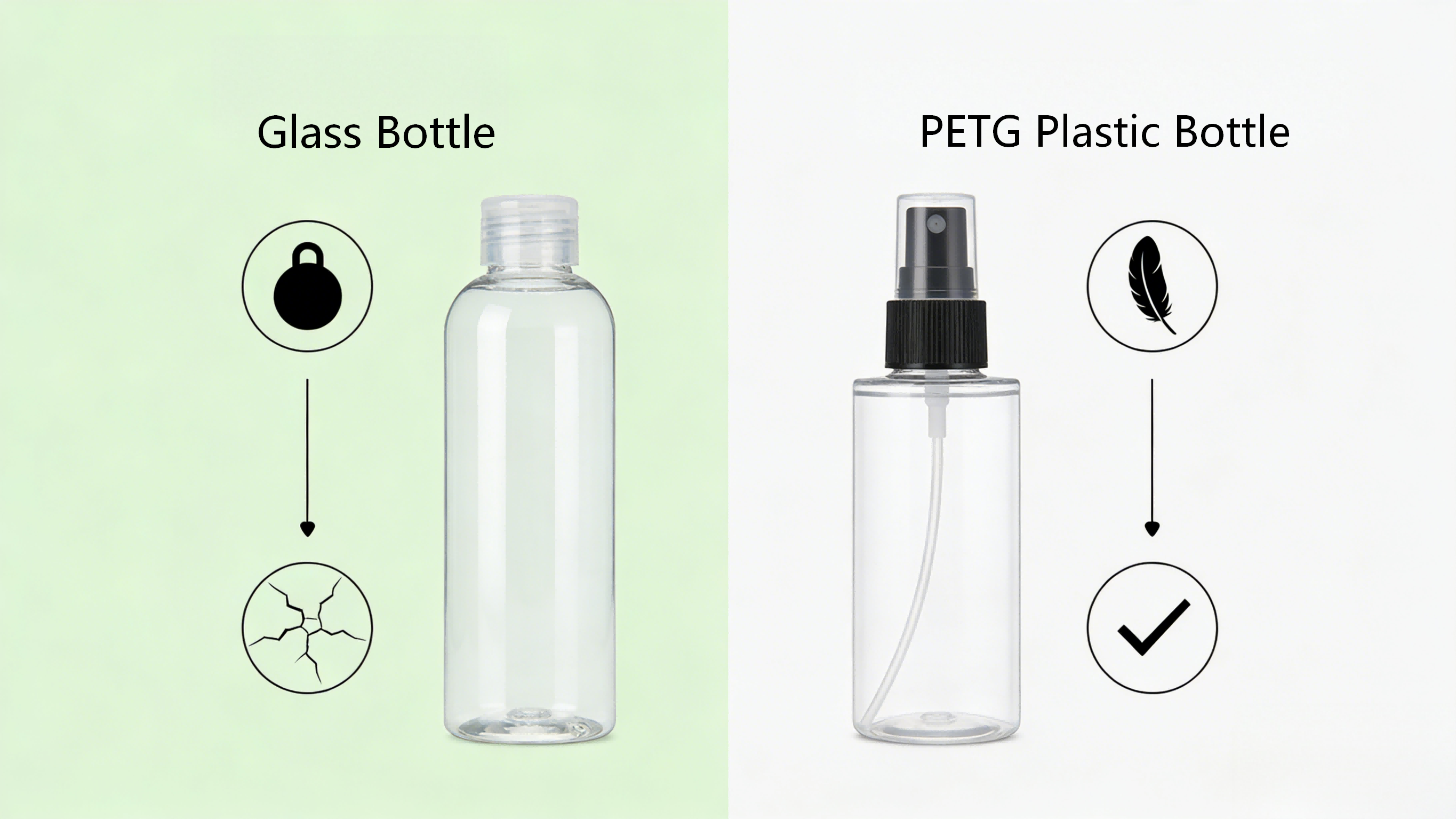
Modern beauty packaging offers a rich diversity of eco-material options. Post-Consumer Recycled (PCR) plastic stands as one of the most widely adopted eco-materials, significantly reducing reliance on virgin plastic by reprocessing used plastic products. Bio-based plastics utilize renewable resources like corn and sugarcane, lowering carbon footprint from the source. Glass packaging, with its 100% infinitely recyclable properties, remains the preferred eco-choice for premium beauty brands.
Biodegradable materials such as PLA (polylactic acid) provide environmentally friendly alternatives for single-use packaging, while paper packaging ensures sustainable sourcing through FSC certification. Aluminum packaging, both lightweight and durable, boasts recycling rates exceeding 75%, making it an increasingly popular choice among brands.
Technological Innovation Driving Environmental Progress
The application of eco-materials relies heavily on technological support. Mono-material packaging design simplifies recycling processes by using the same material throughout the entire package. Water-based coating technology replaces traditional solvent-based coatings, reducing volatile organic compound emissions. Lightweighting design minimizes material usage while maintaining packaging functionality, lowering carbon emissions during transportation.
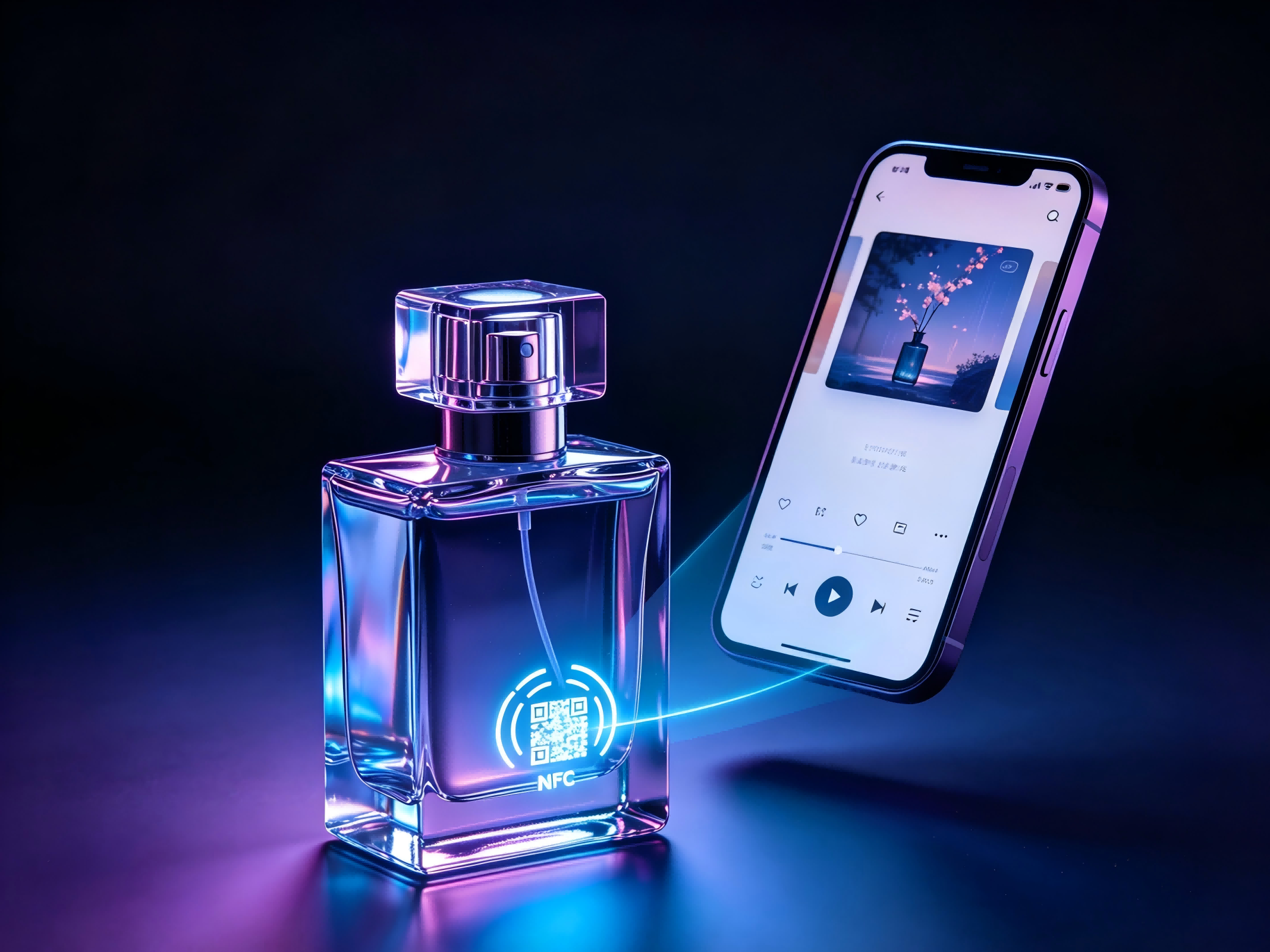
Smart recycling systems utilize QR codes and blockchain technology to help consumers properly sort and dispose of packaging, improving recycling efficiency. Recycled material upgrading technology transforms low-value recycled materials into high-quality packaging, challenging traditional perceptions about recycled material quality.
Balancing Ecology and Performance
While some worry that eco-materials might compromise packaging performance and protection, modern technology has successfully addressed these concerns. High-barrier PCR materials can provide product protection comparable to virgin plastics, enhanced bio-based materials excel in heat resistance and impact strength, and surface treatment technologies enable recycled materials to meet premium aesthetic and tactile standards.
Active protective coatings can be applied to eco-packaging to ensure uncompromised protection of sensitive ingredients, while structural innovation design compensates for material limitations through clever engineering solutions, achieving dual optimization of ecology and performance.
Market Trends and Consumer Insights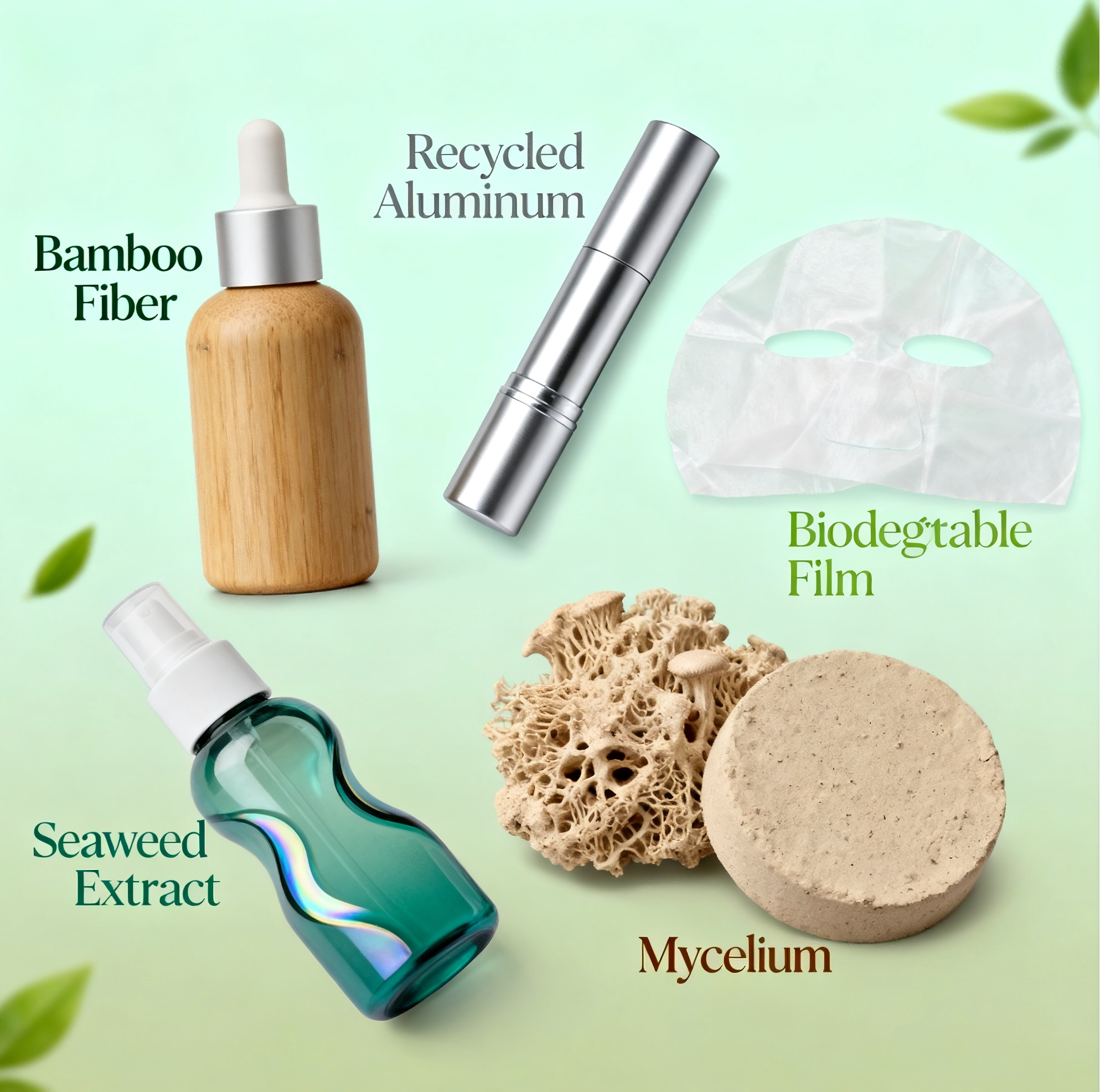
The global eco-friendly beauty packaging market is growing at approximately 6.5% annually, reflecting strong demand for sustainable solutions. Research indicates that 68% of consumers are willing to pay a premium for eco-packaging, particularly Millennials and Gen Z consumers who consider sustainability an important factor in purchase decisions.
Transparent traceability has emerged as a key trend, with consumers wanting to understand packaging material origins and environmental impact. Reusable packaging systems gain popularity as brands establish long-term engagement with consumers through refill offerings and recycling incentives. Carbon footprint labeling is becoming increasingly common, helping consumers make more environmentally conscious choices.
Practical Guide: Transitioning to Sustainable Packaging
For brands looking to adopt eco-packaging, we recommend a phased approach: Begin with packaging audit to assess environmental impact of existing packaging; then set clear targets, such as using 30% recycled materials or reducing packaging weight by 20%; subsequently collaborate with suppliers to identify suitable eco-material solutions; simultaneously educate consumers on proper packaging disposal.
Small-scale pilots can help test market response and technical feasibility, while life cycle assessment ensures environmental choices genuinely deliver benefits, avoiding "greenwashing" concerns. Most importantly, integrate sustainability into your brand story, authentically sharing your company's environmental journey with consumers.
Co-creating a Green Beauty Future
The eco-transformation of beauty packaging is not the responsibility of any single company but requires collective effort across the entire industry chain. From raw material suppliers to packaging manufacturers, from brands to retailers, from consumers to recycling enterprises—every plays a crucial role. By embracing eco-materials and technological innovation, the beauty industry can not only reduce its environmental footprint but also create new business opportunities, achieving perfect integration of "beauty" and "sustainability."
This represents not just a transformation of packaging materials but a reshaping of the industry's core values. When we choose eco-packaging, we select not merely a material, but a commitment to future responsibility and a redefinition of beauty itself.
Navigating Cross-Border Communication Traps for On-Time Project Delivery
Why Recyclable Glass Bottles Are the Top Choice for Luxury Fragrance Packaging