Green or Greenwashed? Navigating the Beauty Aisle
"Is 'Eco-Friendly' Makeup a Gimmick?
An In-Depth Look at the Real Power of Sustainable Materials"
When choosing makeup, have you ever felt confused seeing labels like "eco-friendly," "vegan," or "sustainable"—are they genuine breakthroughs in product innovation or just clever marketing packaging? As brands increasingly tell green stories, how can consumers cut through the noise and make informed choices?
In reality, truly sustainable makeup is never about compromising quality. On the contrary, it represents a smarter and more responsible product philosophy. This article will take you deep into the world of sustainable materials, exploring how they move from concept to your vanity, and equipping you with the "eagle eyes" to distinguish authenticity from greenwashing.
I. Material Innovation: How Sustainability is Reshaping Makeup
-
Plant-Based Materials: Wisdom from the Earth
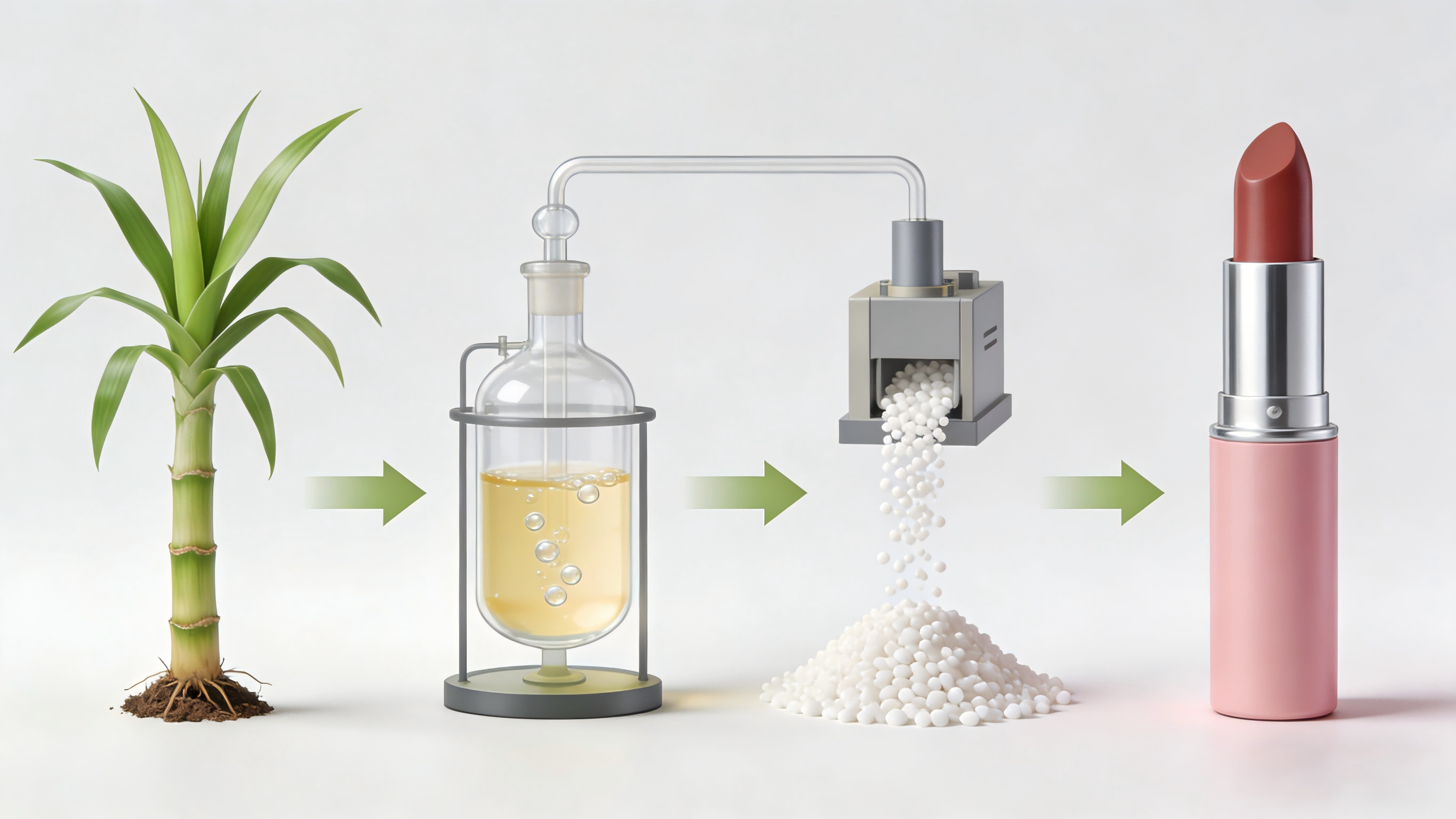
Sugarcane, corn, bamboo, and other plants are becoming new sources for cosmetic packaging. Through advanced biotechnology, sugars from sugarcane can be transformed into Sugarcane Polyethylene (Sugarcane PE), which matches the performance and appearance of traditional plastics while reducing carbon emissions during production by approximately 70%. This material is already widely used in products like lipstick tubes and powder compacts, bringing every touch-up closer to nature. -
Recycled Materials: Giving New Life to Waste
Post-Consumer Recycled (PCR) technology breathes new life into discarded packaging. Recycled plastic bottles undergo rigorous cleaning, sorting, and reprocessing to become high-quality cosmetic containers. Today, leading brands are achieving 30% to 100% PCR content in their packaging, truly embracing the circular ethos of "turning waste into treasure." -
Mineral and Plant-Based Formulas: The Beauty of Purity
At the formulation level, natural mineral pigments are an ideal choice for eyeshadows and blushes due to their high purity and stability. Meanwhile, plant extracts are gradually replacing petroleum-derived ingredients, offering gentler and more effective skincare experiences. These changes not only reduce environmental impact but also make products more skin-friendly and safe.
II. Dual Value: Why It’s Worth Choosing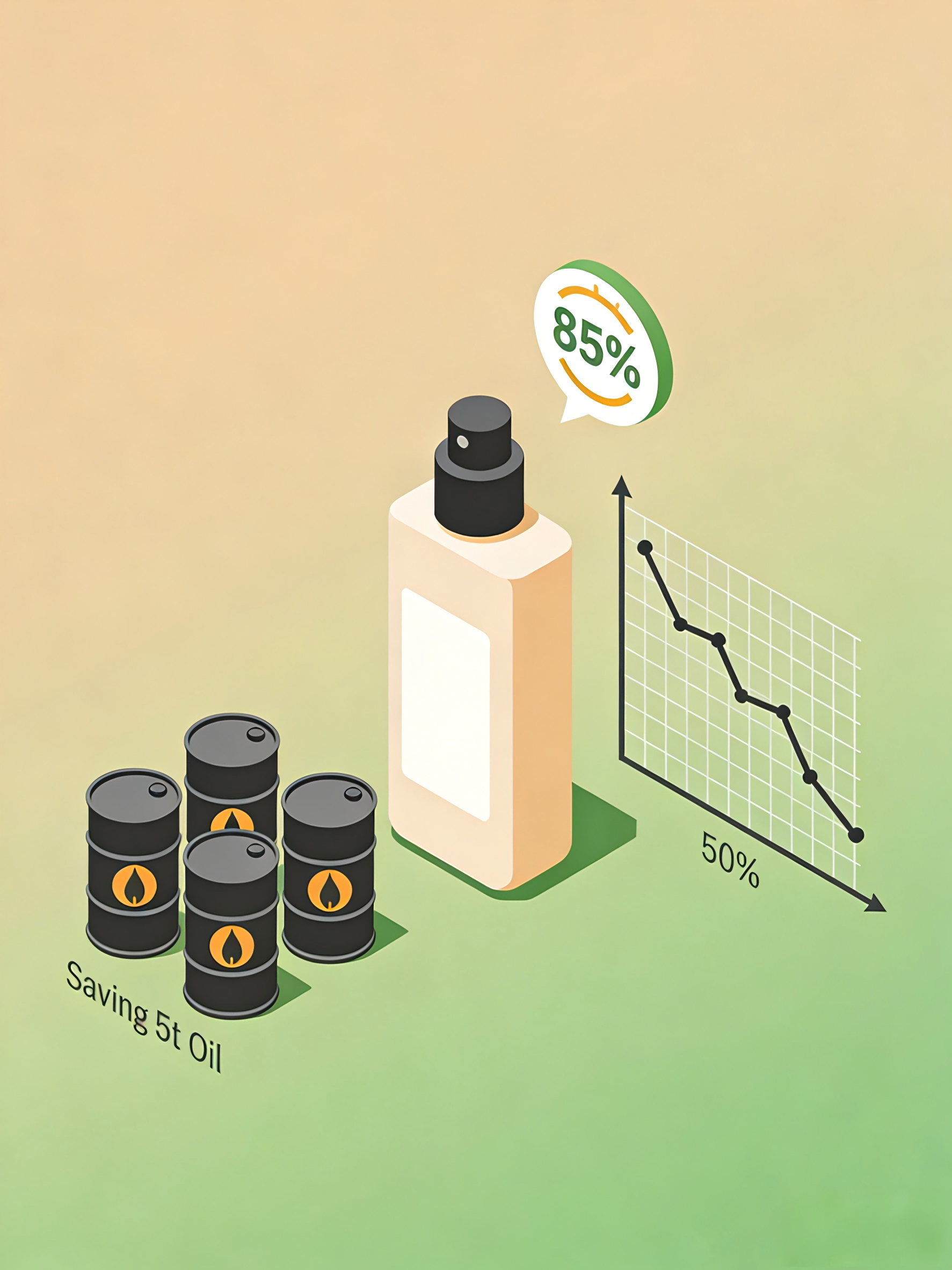
Environmental Value: Tangible Impact
-
Reduces reliance on petroleum: Using 1 ton of plant-based materials can save approximately 5 tons of petroleum resources.
-
Lowers carbon footprint: The production process of sustainable materials reduces carbon emissions by an average of over 50%.
-
Reduces plastic pollution: Recyclable and biodegradable designs help curb ocean plastic pollution at the source.
User Experience: Perceptible Upgrades
-
Gentle and reassuring: Natural mineral pigments significantly lower allergy rates, making them safe even for sensitive skin.
-
Unique texture: Plant-based materials often deliver a warmer and finer tactile experience.
-
Emotional satisfaction: 85% of consumers report feeling greater pleasure and a sense of alignment when using eco-friendly products.
III. Smart Consumption: How to Distinguish Authenticity
Key Certification Marks to Know:
-
FSC Certification: Ensures paper packaging comes from sustainably managed forests.
-
COSMOS Certification: The international gold standard for natural and organic cosmetics.
-
Vegan Certification (Vegan Label): Guarantees products contain no animal-derived ingredients.
-
Cruelty-Free Certification (Leaping Bunny): Confirms no animal testing was involved.
Beware of "Greenwashing" Traps:
Stay vigilant when brands use vague terms like "natural inspiration" or "eco-friendly philosophy" without providing specific data or certification backing. Genuine sustainability commitments should include: specific material ratios, verifiable carbon reduction data, clear recycling instructions, and third-party certification.
IV. Our Practice: Innovative Application of Paper-Plastic Tubes
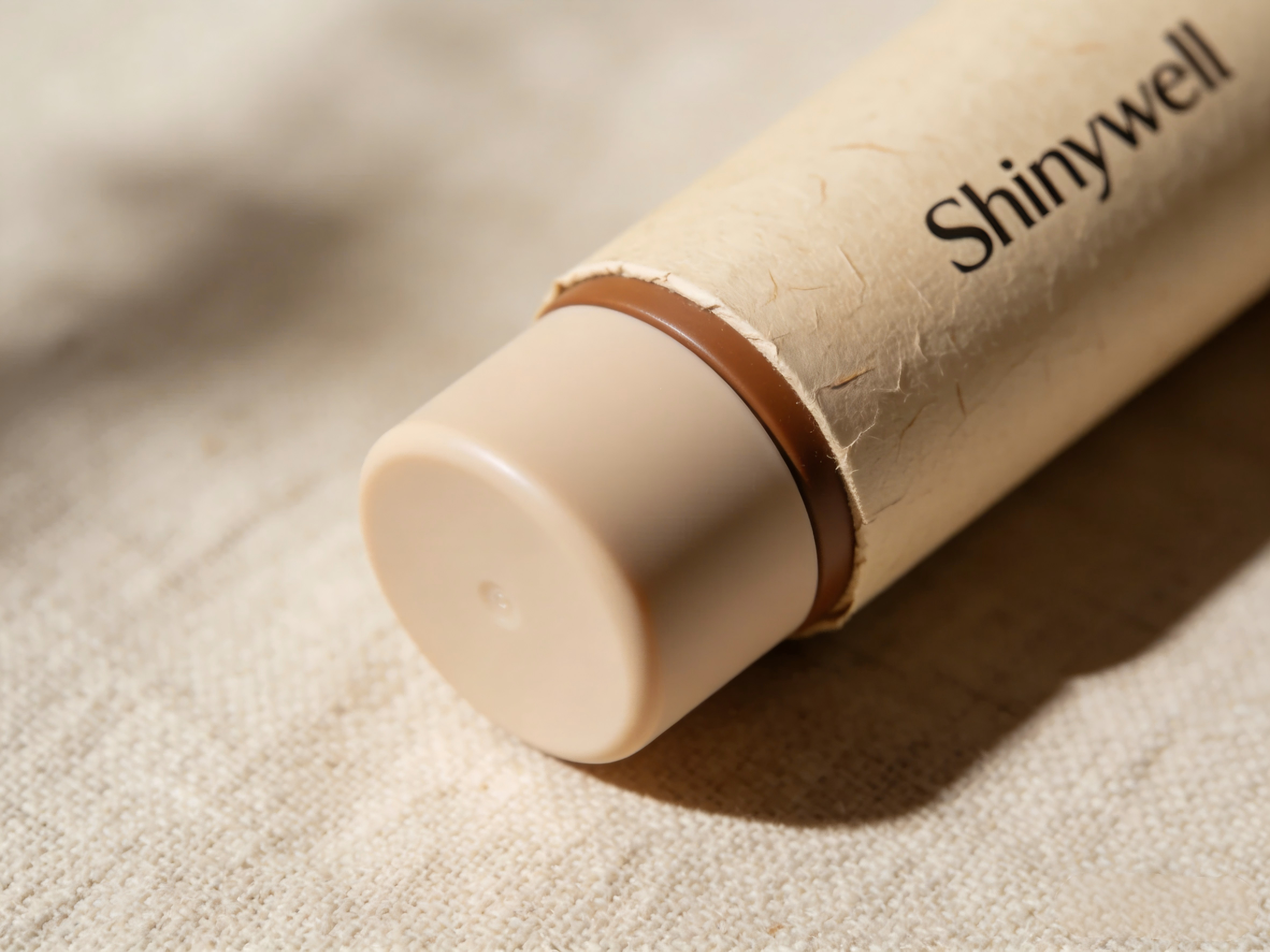 At Shinywell, we believe sustainable innovation must be put into practice. That’s why we’ve introduced paper-plastic composite tubes as an innovative packaging solution in our classic series.
Unlike traditional plastic tubes, paper-plastic tubes are made from food-grade paper combined with a minimal proportion of plastic film. This structural design ensures that over 70% of the packaging is paper-based, significantly reducing plastic usage. Additionally, the paper component uses FSC-certified pulp from sustainably managed forests, ensuring responsible sourcing.
In practical use, paper-plastic tubes not only provide excellent barrier properties to protect the freshness of the contents but also add a natural, tactile feel with their unique paper texture. Once the product is used up, the tubes can be easily separated for recycling, greatly enhancing the circularity of the packaging.
This seemingly small choice reflects our commitment to sustainability—starting with every detail to reduce our environmental footprint without compromising on product quality.
The Smart Way to Utilize OEM / ODM
Our DDP Service Lets You Focus on Core Business