The Sustainable Revolution in Beauty Packaging
Detachable and Replaceable Cushion Compacts:
The Sustainable Revolution in Beauty Packaging
In today's beauty industry pursuit of sustainable development, detachable and replaceable cushion packaging is becoming an innovation focus. This design not only responds to environmental calls but also delivers tangible value for brands and consumers. This article will provide an in-depth exploration of the technical feasibility, market acceptance, and implementation challenges of replaceable cushion systems.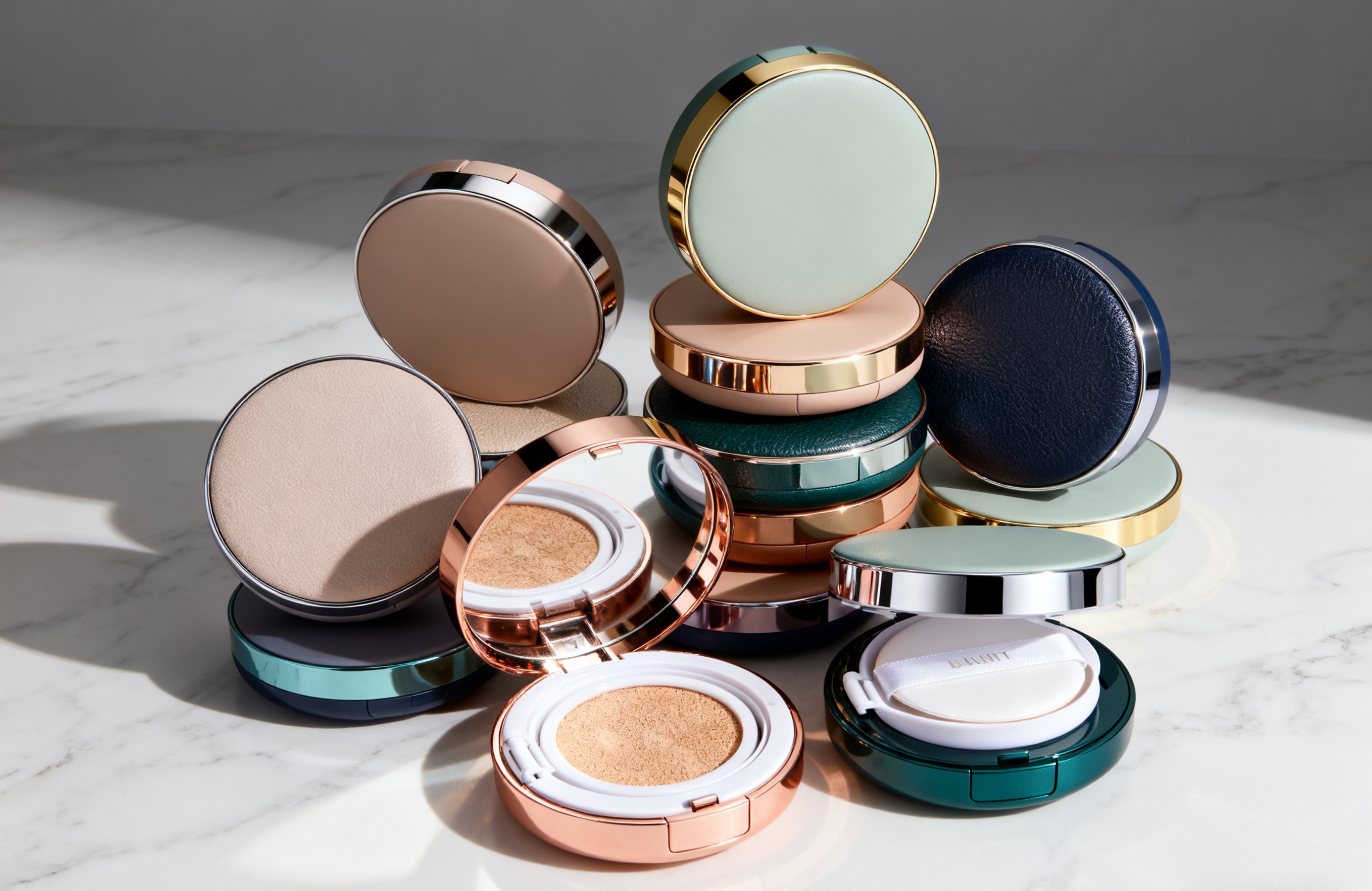
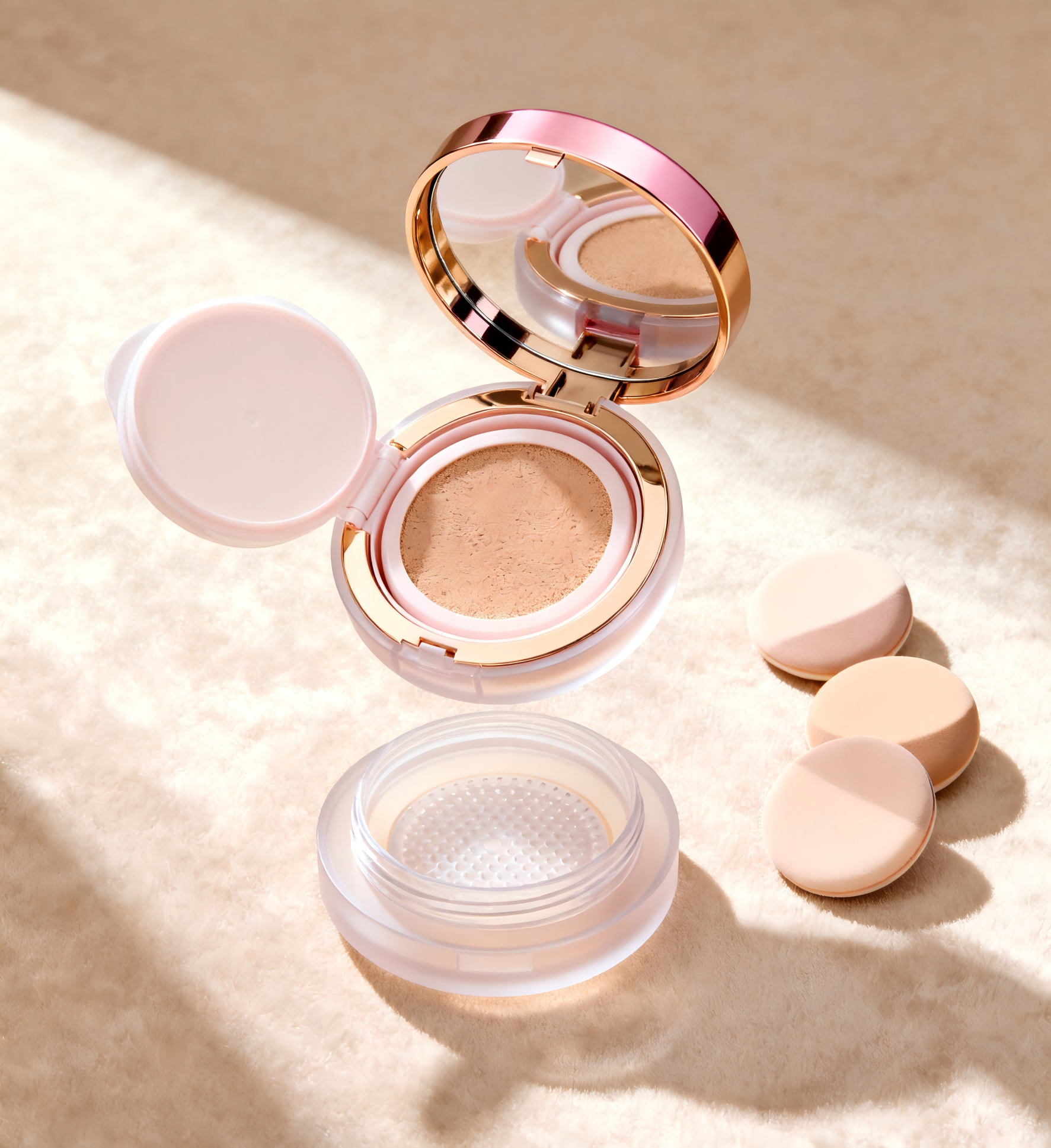
The core of replaceable cushion compacts lies in modular design. Through precise buckle structures and magnetic systems, convenient separation and combination of inner cores and outer shells are achieved. Standardized interface design ensures compatibility across different product lines, while sealing guarantee technology maintains content freshness even after multiple assemblies and disassemblies.
In material selection, outer shells utilize durable engineering plastics or metal materials to ensure long-term use stability. Inner cores employ recyclable plastics or biodegradable materials to reduce environmental burden. Leak-proof design and hygienic protection represent technical challenges that require solutions through multi-layer sealing and antibacterial treatment.
Consumer Value Proposition
For consumers, replaceable cushions offer multiple benefits. Economic value significantly improves, with replacement core prices typically 30-50% lower than complete products. Environmental satisfaction enables consumers to actively support sustainable development. Personalization options allow consumers to mix and match different shell colors and inner cores.
Usage convenience has been optimized, making the replacement process simple and quick. Collection value also makes consumers more willing to invest in high-quality shell designs. These value points collectively enhance consumer purchase intention and brand loyalty.
Brand Commercial Value
For brands, replaceable systems create new business models. Repeat purchase rates increase as consumers need to regularly purchase replacement cores. Average order value optimization is achieved through combined sales of shells and inner cores. Brand image improves, demonstrating corporate commitment to environmental protection.
Cost structure optimization reduces packaging material usage in the long term. Competitive market advantage becomes apparent as differentiated products. Customer data collection through replacement core sales provides insights into consumer usage habits.
Implementation Challenges and Solutions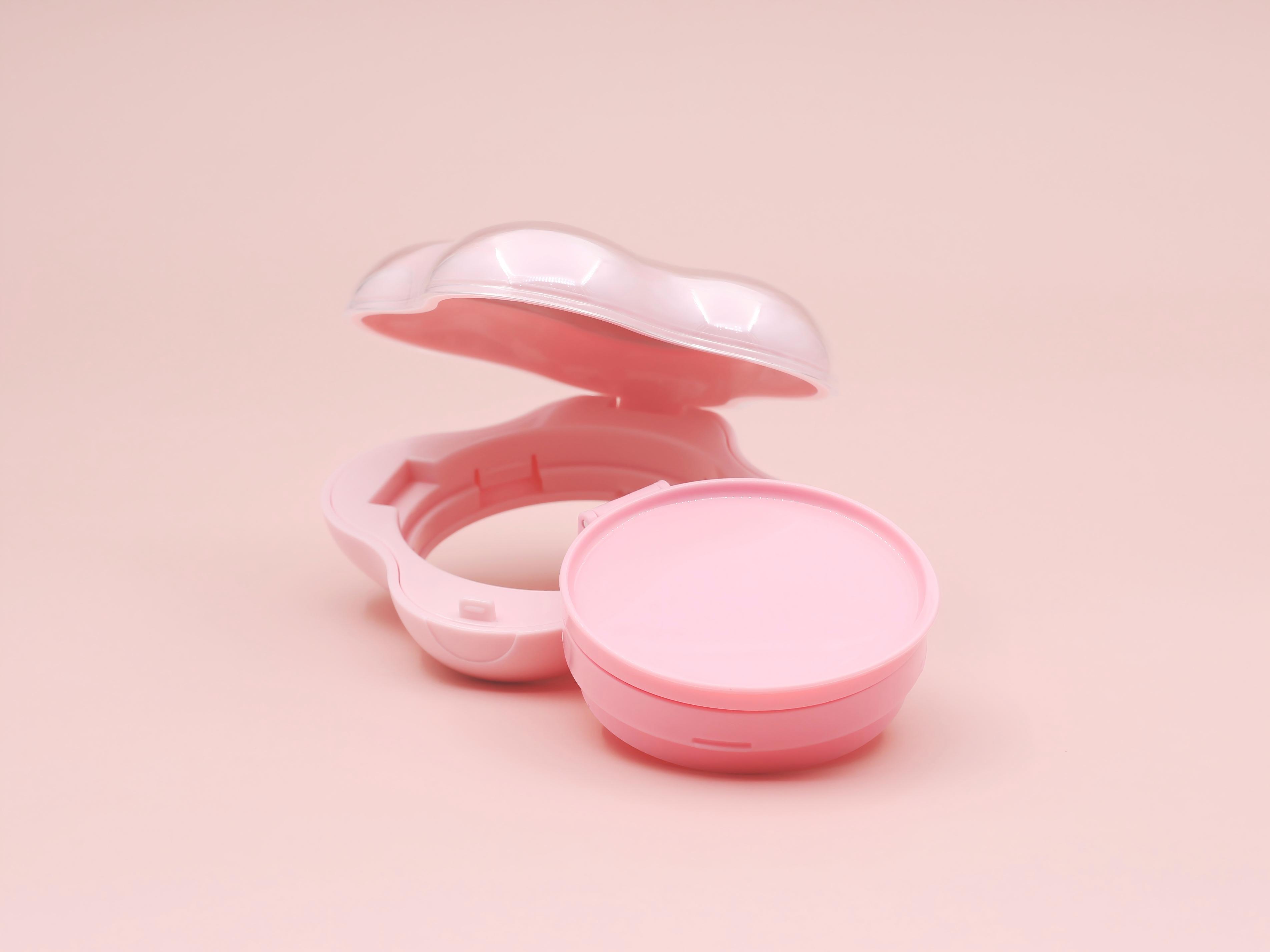
Despite promising prospects, implementation faces multiple challenges. Technical standardization requires industry-wide efforts to establish unified specifications. Production costs are initially high and need reduction through scaling. Consumer education requires resources to explain usage methods and benefits.
Supply chain needs reconfiguration to separately manage shell and core production. Retail display requires new presentation methods. Quality assurance demands higher standards to ensure product stability after multiple assemblies.
Solutions include: adopting modular design to reduce development costs, establishing industry alliances to promote standardization, educating consumers through marketing activities, optimizing supply chain management, and implementing enhanced quality testing.
Success Case Studies
A Korean beauty brand's launch of a replaceable cushion system achieved a 40% repurchase rate within 6 months of market introduction. Consumer surveys showed that 85% of users chose refills for environmental reasons, not just economic considerations.
Another European luxury brand successfully reduced its packaging carbon footprint by 35% through a replaceable system. The brand also found that refill customers showed 25% higher loyalty than regular customers, proving this model helps establish long-term customer relationships.
 Future Development Trends
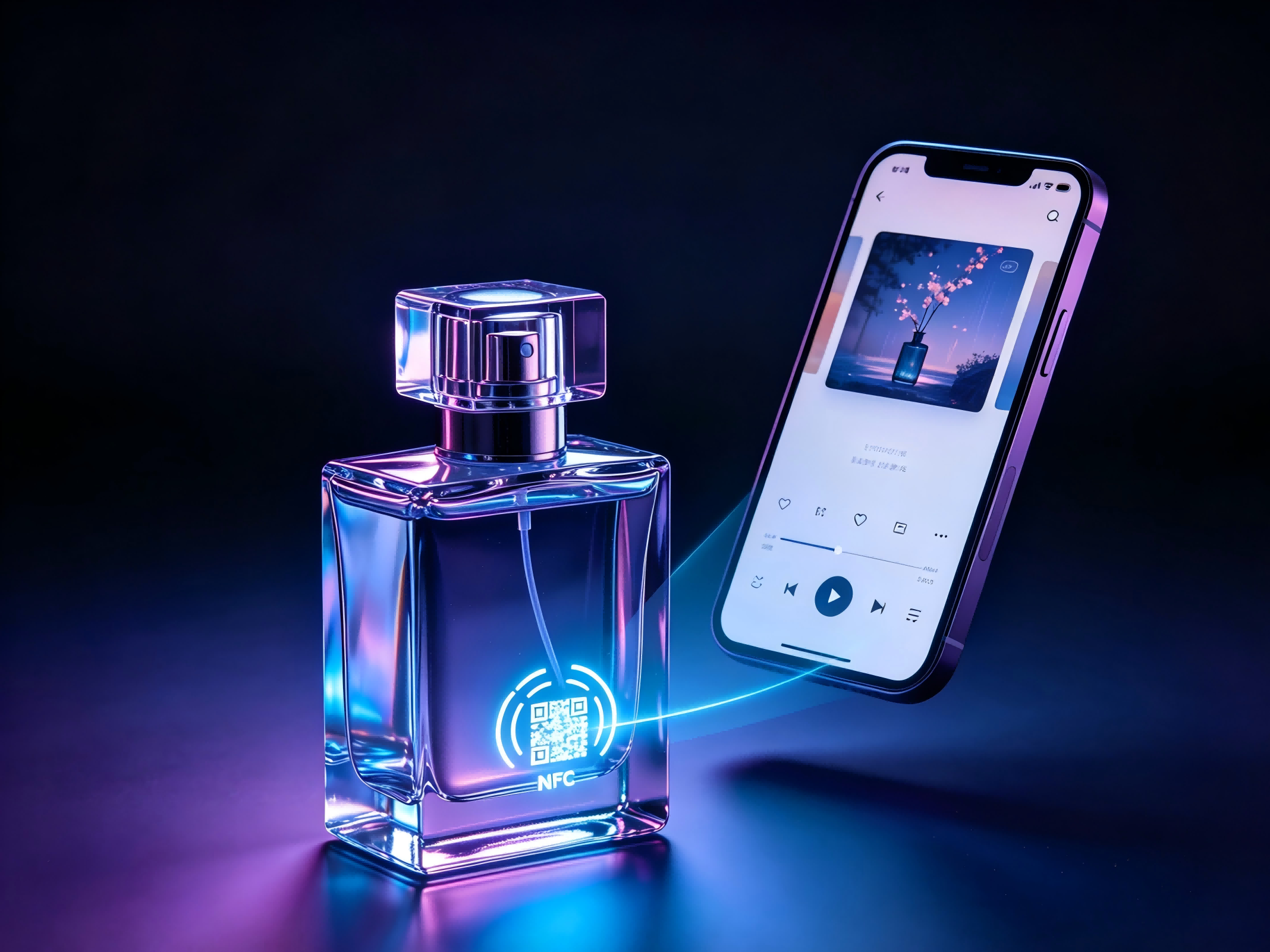
Replaceable cushion packaging is moving toward intelligent development. Built-in chips can record usage and remaining amount, reminding users to replace timely. Personalization trends are evident, supporting custom shell designs and core formulations.
Material innovation continues advancing, including using ocean recycled plastics and biodegradable materials. Service model innovation, such as subscription-based replacement services. These developments will further enhance the value and appeal of replaceable systems.
Implementation Guide
For brands considering adopt replaceable systems, the following steps are recommended: First conduct market research to understand target consumer acceptance; then perform technical feasibility studies to determine the most suitable design; next develop a business plan to evaluate return on investment; simultaneously prepare supply chain adjustments to ensure production capacity; finally implement consumer education plans to drive market acceptance.
Importantly, adopt a gradual promotion strategy, testing in small first before expanding. The quality first principle is crucial, ensuring system reliability and convenience. Continuous innovation is also indispensable, constantly optimizing product design based on feedback.
Conclusion
Detachable and replaceable cushion packaging represents not just a product innovation but an important practice in the beauty industry's transition toward sustainable development. It successfully integrates environmental, commercial value, and consumer needs, creating a win-win situation.
As technology matures and consumer awareness improves, this model is expected to become a mainstream choice for beauty packaging. For forward-looking brands, now is the optimal time to replaceable systems. By embracing this trend, brands can not only enhance market competitiveness but also make substantial contributions to industry sustainable development.
Technology Enhancing Brand Value
Navigating Cross-Border Communication Traps for On-Time Project Delivery