The Smart Way to Utilize OEM / ODM
to Save Budget and Time for New Cosmetic Product Development
In the rapidly changing Latin American beauty market, the speed of product launches has become key to brand competitiveness. Many brands face a common challenge when developing new products: how to efficiently obtain high-quality packaging that aligns with brand positioning while controlling costs? Understanding and effectively utilizing OEM/ODM strategies may provide effective solutions to this challenge.
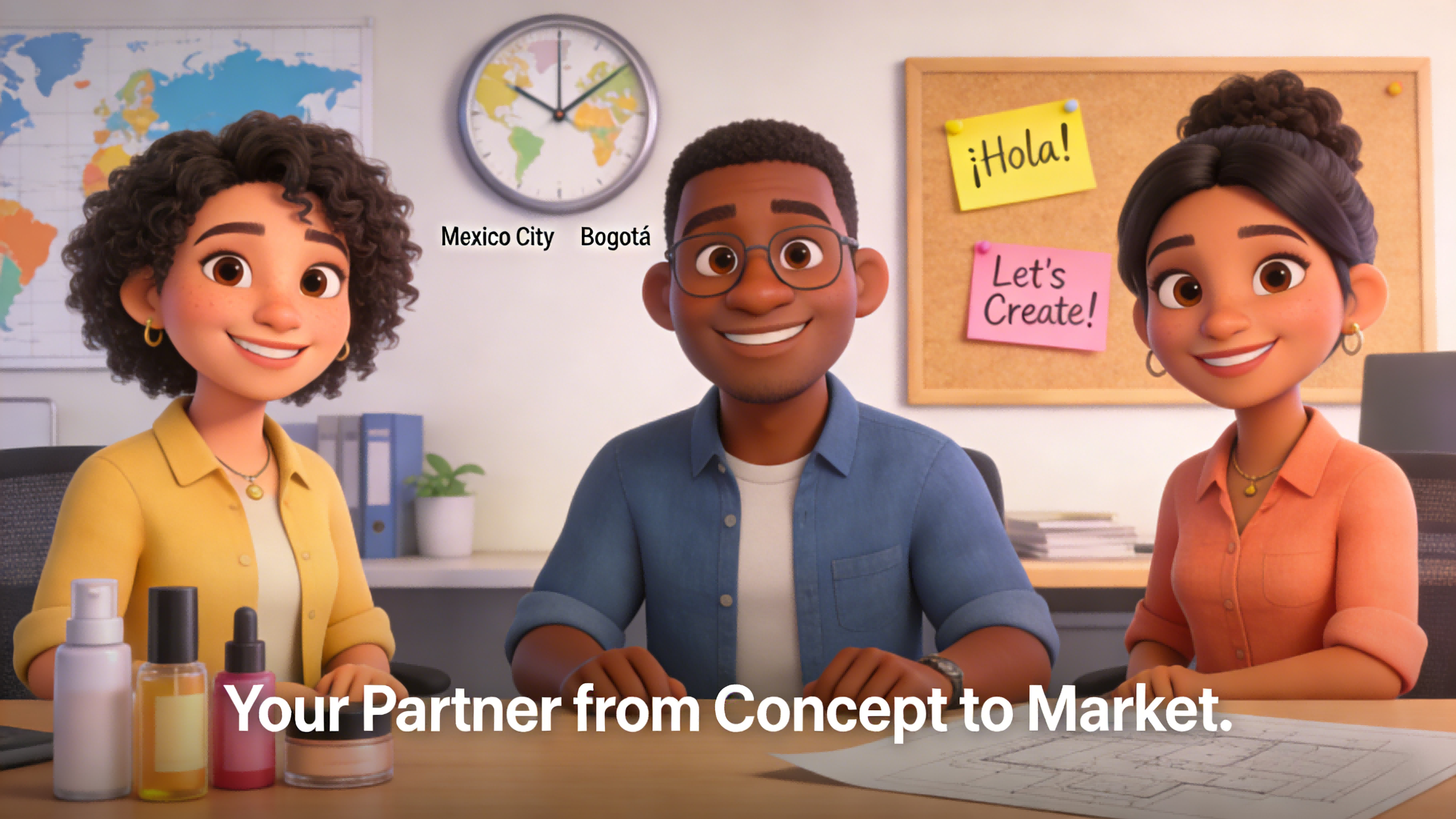 Understanding OEM and ODM: Beyond Manufacturing, Towards Collaboration
OEM (Original Equipment Manufacturing) typically refers to brands providing design specifications, with manufacturers producing according to those designs. ODM (Original Design Manufacturing) goes a step further, with manufacturers providing complete solutions from design to production based on brand requirements and market insights. For beauty brands, flexibly applying these two models, especially through ODM cooperation with manufacturers possessing design capabilities, can transform professional experience into competitive advantages.
Re-examining Hidden Costs in Packaging Development
When brands decide to develop entirely new packaging, they often focus on the visible costs like mold fees. However, the real challenges usually lie beneath the surface:
A medium-sized skincare brand in Mexico City shared their experience: for an innovative pump design, their team spent four months communicating and sampling with three different suppliers, only to abandon the project due to prohibitively high production costs from the complex structure. This resulted not only in lost development expenses but also caused them to miss the crucial summer 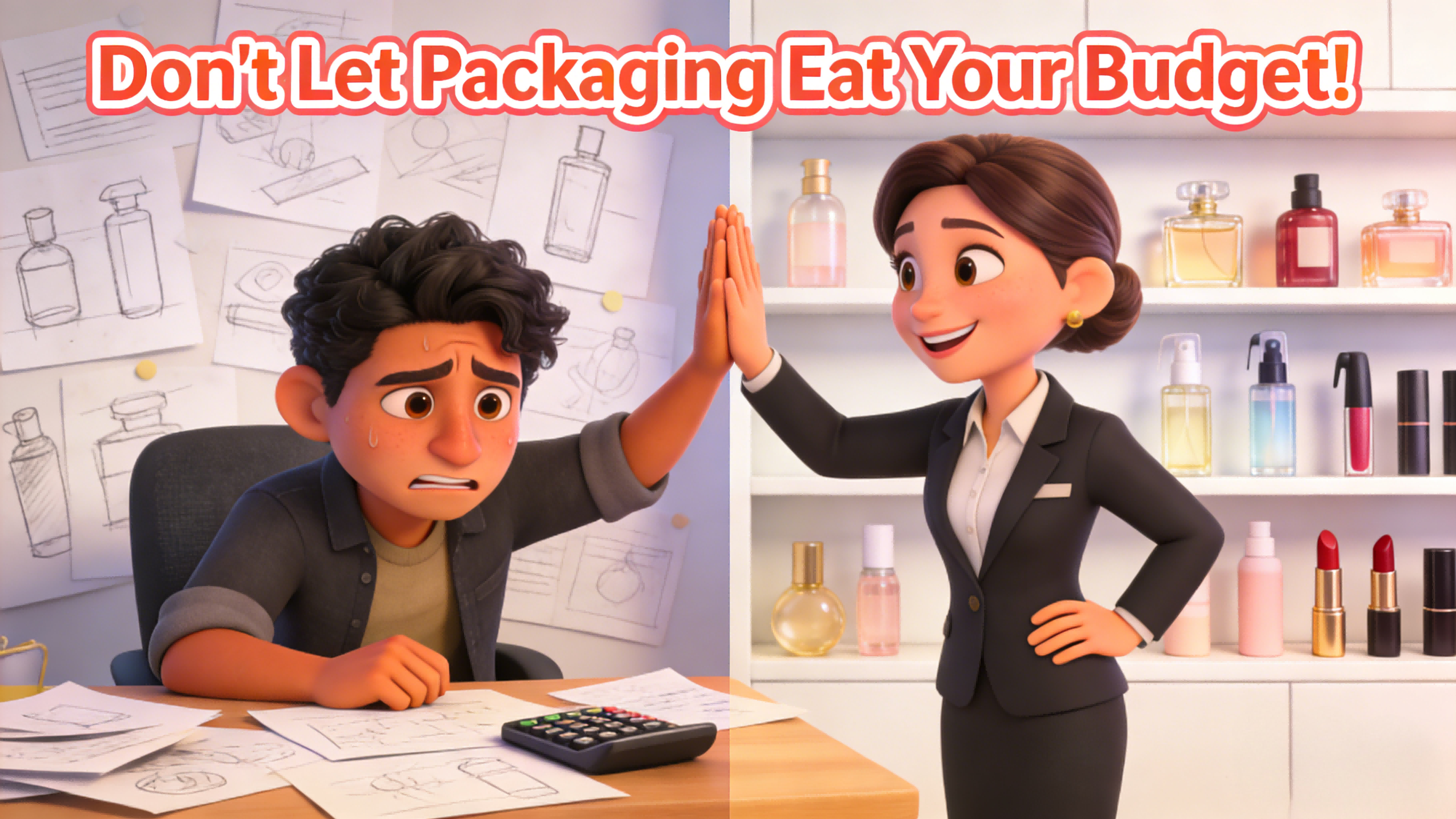 sales season.
Such cases are not uncommon. Hidden costs in packaging development typically include:
-
Multiple modification cycles due to manufacturability issues with designs
-
Market opportunity losses from lengthy development timelines
-
Inventory pressure from having to meet minimum order quantities
Industry Practices: Making Packaging Development More Efficient
Rapid Innovation Based on Mature Platforms
Many experienced manufacturers have established mature "product platforms"—proven foundational packaging solutions. Taking spray bottles as an example, a mature pump platform might already have dozens of variants. Brands can leverage such platforms, adjusting bottle shapes, surface treatments, or color schemes to quickly obtain unique yet economically viable solutions.
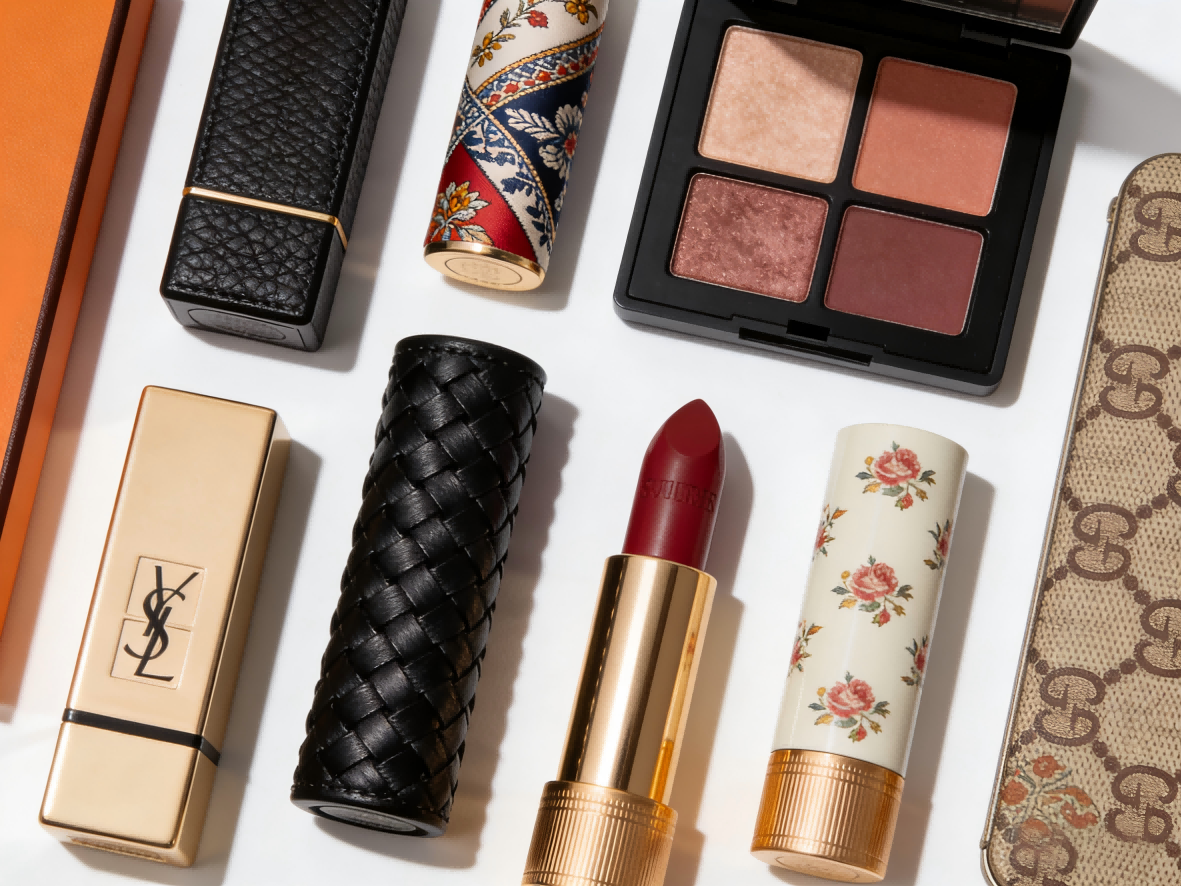
An emerging color cosmetics brand in Bogotá adopted this strategy. Using an existing lipstick tube platform combined with unique metallic finishes and embossing techniques, they launched a luxury-feeling product series in just six weeks, reducing development costs by 65% compared to completely new development.
Maximizing Value Through Early Collaboration
Treating manufacturers as technical partners rather than mere suppliers, and involving them from the conceptual stage, often yields unexpected value. Manufacturers' engineers can provide professional insights from perspectives of material properties, production processes, and market trends, helping brands avoid costly late-stage modifications.
For example, for sunscreen products planned for the Colombian market, local manufacturers might recommend specific weather-resistant materials or adjust bottle mouth designs to accommodate atmospheric pressure changes at high altitudes—these subtle yet crucial adjustments can provide strong support for successful product launches.
Flexibility in Addressing Development Challenges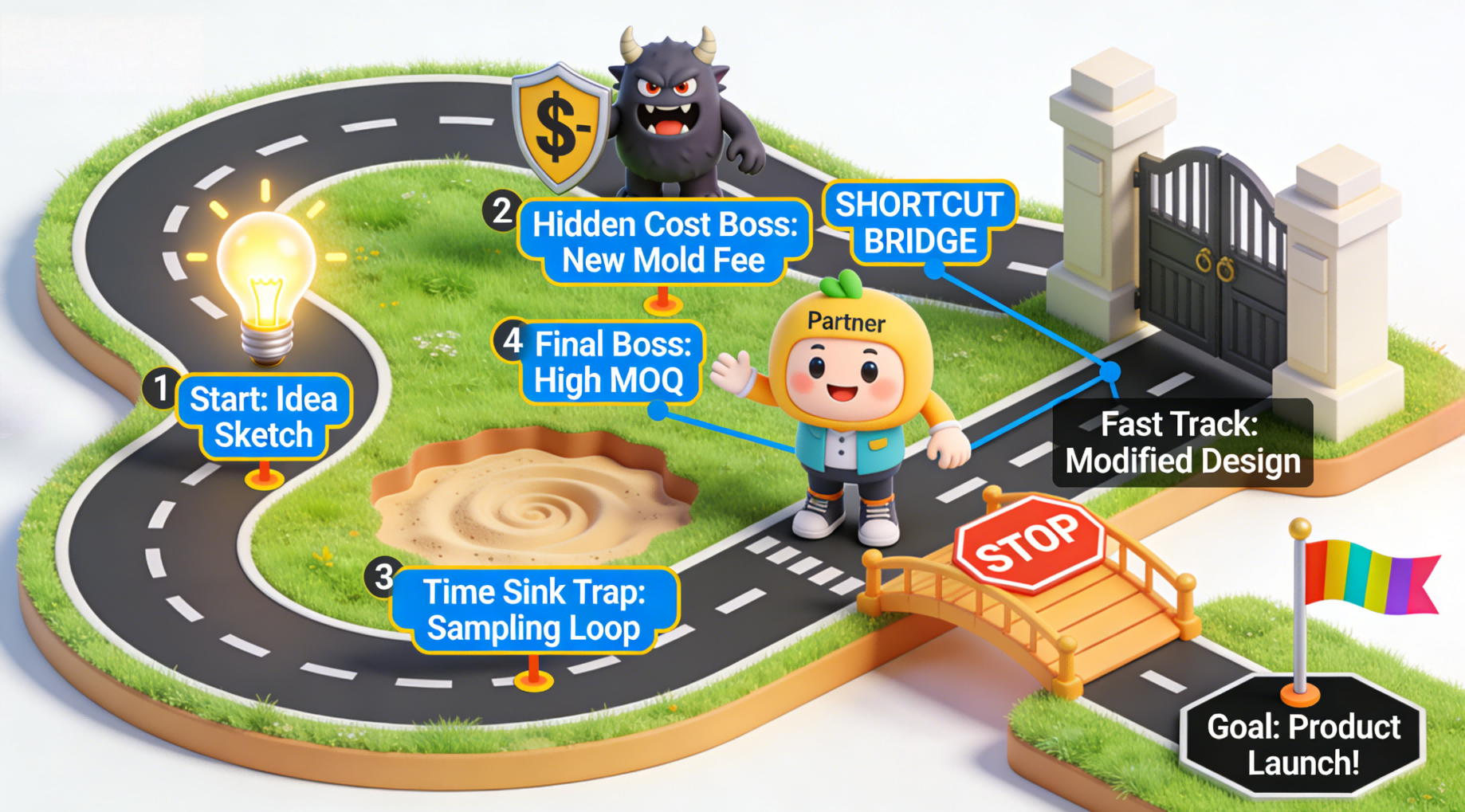
Even with meticulous planning, various unexpected situations can arise during actual development. One client needed to complete a new product launch before Thanksgiving but encountered delays during the sample approval stage. Faced with tight timelines, we analyzed holiday sales characteristics with the client and ultimately decided to produce a small batch of core SKUs for rapid air freight launch first, while following up with the remaining products via sea shipment as originally planned. This flexible response based on actual needs met sales requirements while controlling overall costs.
Practical Advice for Brand Development Teams
-
Establish Priority Matrix: Categorize packaging functions into "must-have" and "nice-to-have," prioritizing quality implementation of core functions
-
Build Transparent Communication: Sharing realistic budget ranges, timelines, and expected goals with suppliers helps obtain more precise recommendations
-
Leverage Existing Resources: Before proposing completely new concepts, explore suppliers' existing solution libraries—there may be unexpected discoveries
-
Consider Phased Implementation: For new brands or product lines, consider modifying existing solutions for quick market testing first, then invest in deep customization after validation success
Conclusion
Packaging development should not be a bottleneck for brand growth but rather a catalyst for product success. By understanding industry best practices and choosing appropriate collaboration methods, brands can maximize the value return on packaging development within limited resources. In this era emphasizing speed and efficiency, flexible and intelligent development strategies may be exactly the competitive advantage you need.
How One Spray Bottle Embodies Four Brand Souls?
Green or Greenwashed? Navigating the Beauty Aisle